






Urban commuters and fleet operators spend between $150-$300 per month on motorcycle fuel and maintenance costs. Studies show electric motorcycles can reduce these operating expenses by up to 70% over a five-year ownership period. With rising fuel prices and stricter emission regulations across global markets, the shift toward electric two-wheelers has accelerated dramatically in 2026.
If you want to make an informed decision between electric and petrol motorcycles for personal commuting or fleet operations, then you will need to understand the total cost of ownership, performance differences, and real-world case studies from riders across Africa, Asia, and emerging markets.
In this comprehensive guide, we will compare electric motorcycles versus petrol motorcycles across purchase price, fuel costs, maintenance expenses, battery replacement, environmental impact, and performance metrics. This analysis will help you determine which motorcycle type delivers better value for your specific riding needs and budget.
What Is the Real Cost Difference Between Electric and Petrol Motorcycles?
The cost comparison between electric and petrol motorcycles extends far beyond the initial purchase price. Total cost of ownership includes fuel expenses, maintenance schedules, insurance rates, battery or engine servicing, and resale value over a typical five-year ownership period.
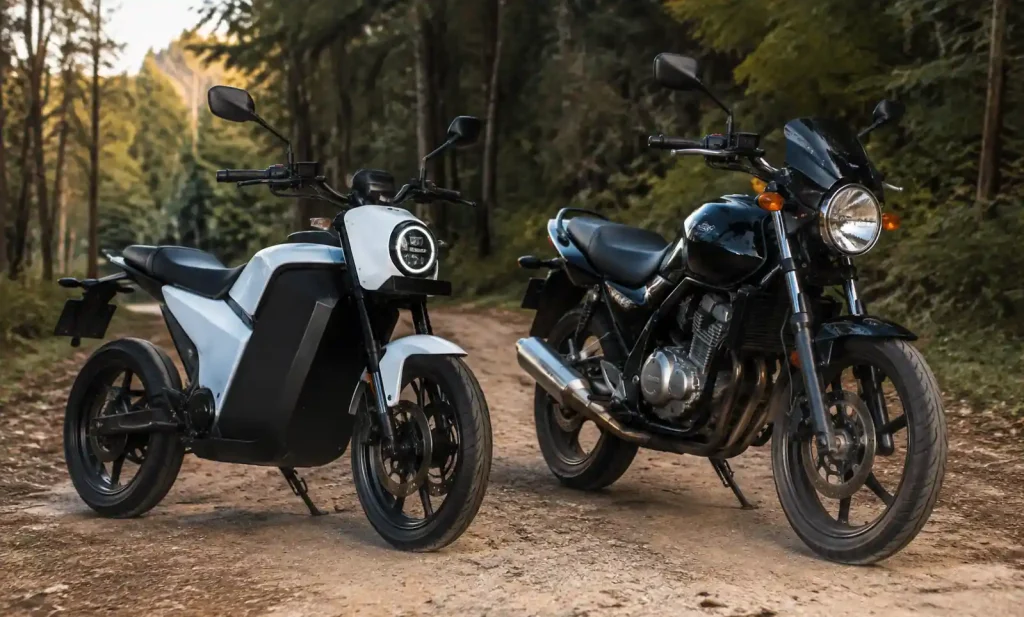
Electric motorcycles typically have higher upfront costs ranging from $1,500-$3,500, while comparable petrol motorcycles cost $1,200-$2,800. However, electric models compensate through dramatically lower operating costs because electricity costs 75-80% less than gasoline per kilometer traveled, and electric powertrains require minimal maintenance with fewer moving parts.
You should consider your daily riding distance, local electricity rates, fuel prices in your region, and available charging infrastructure when calculating which motorcycle type offers better long-term value for your transportation needs.
Purchase Price Comparison: Electric vs Petrol Motorcycles
Electric Motorcycle Price Range:
- Entry-level: $1,500-$2,000 (basic commuter models)
- Mid-range: $2,000-$2,800 (Diavel, R3)
- Premium: $2,800-$3,500 (Hurricane, Blade Wind)
Petrol Motorcycle Price Range:
- Entry-level: $1,200-$1,600 (125cc commuter bikes)
- Mid-range: $1,600-$2,200 (150-200cc models)
- Premium: $2,200-$2,800 (250cc sport bikes)
| Category | Electric Motorcycle | Petrol Motorcycle | Price Difference |
|---|---|---|---|
| Entry-Level | $1,500-$2,000 | $1,200-$1,600 | +$300-$400 |
| Mid-Range | $2,000-$2,800 | $1,600-$2,200 | +$400-$600 |
| Premium | $2,800-$3,500 | $2,200-$2,800 | +$600-$700 |
| Government Subsidy | $200-$800 available | Limited or none | Reduces gap |
Government incentives in many Asian and African markets provide $200-$800 subsidies for electric vehicle purchases, reducing the effective price gap between electric and petrol motorcycles significantly.
Daily Operating Costs: Fuel vs Electricity
Operating cost differences become dramatic when comparing daily energy expenses. Electric motorcycles consume approximately 0.02-0.03 kWh per kilometer, while petrol motorcycles burn 2-3 liters per 100 kilometers depending on engine size and riding conditions.
Daily 30km Commute Cost (2026 Rates):
| Cost Factor | Electric Motorcycle | Petrol Motorcycle | Monthly Savings |
|---|---|---|---|
| Energy Cost | $0.18/day ($0.08/kWh) | $1.80/day ($1.50/liter) | $48.60 |
| Monthly Total | $5.40 | $54.00 | $48.60 (90% savings) |
| Annual Total | $65 | $648 | $583 (90% savings) |
| 5-Year Total | $325 | $3,240 | $2,915 (90% savings) |
Real-world data from delivery fleet operators in Southeast Asia confirms these calculations. One Indonesian logistics company operating 200 electric motorcycles reported 85% fuel cost reduction compared to their previous petrol fleet, saving approximately $38,000 annually across their operations.
You can use electric motorcycles to reduce your daily commute costs from $1.80 to $0.18, delivering immediate budget relief while contributing to cleaner urban air quality.
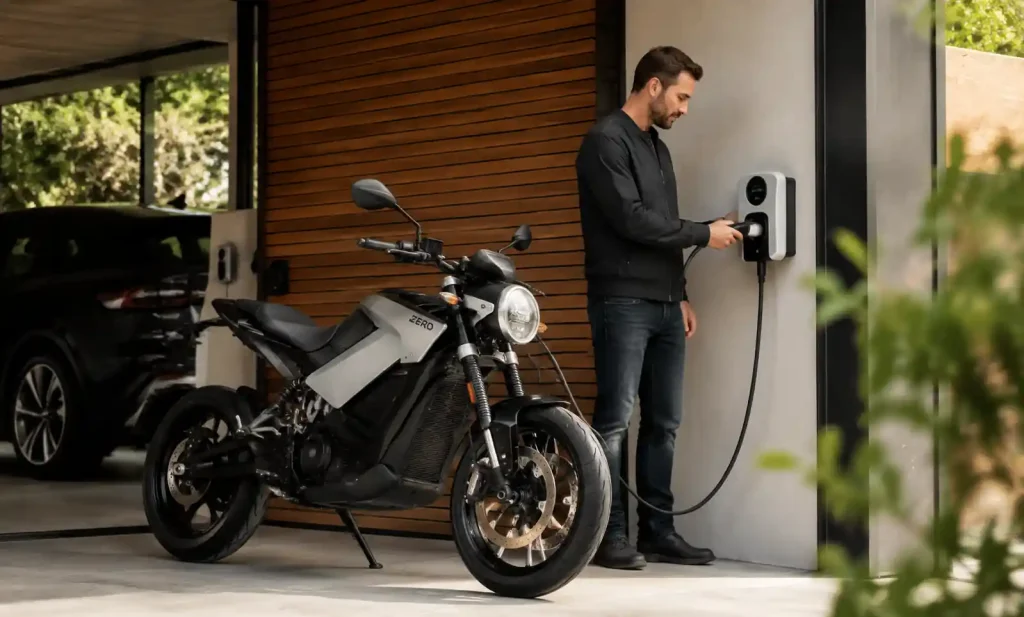
Maintenance Cost Comparison Over 5 Years
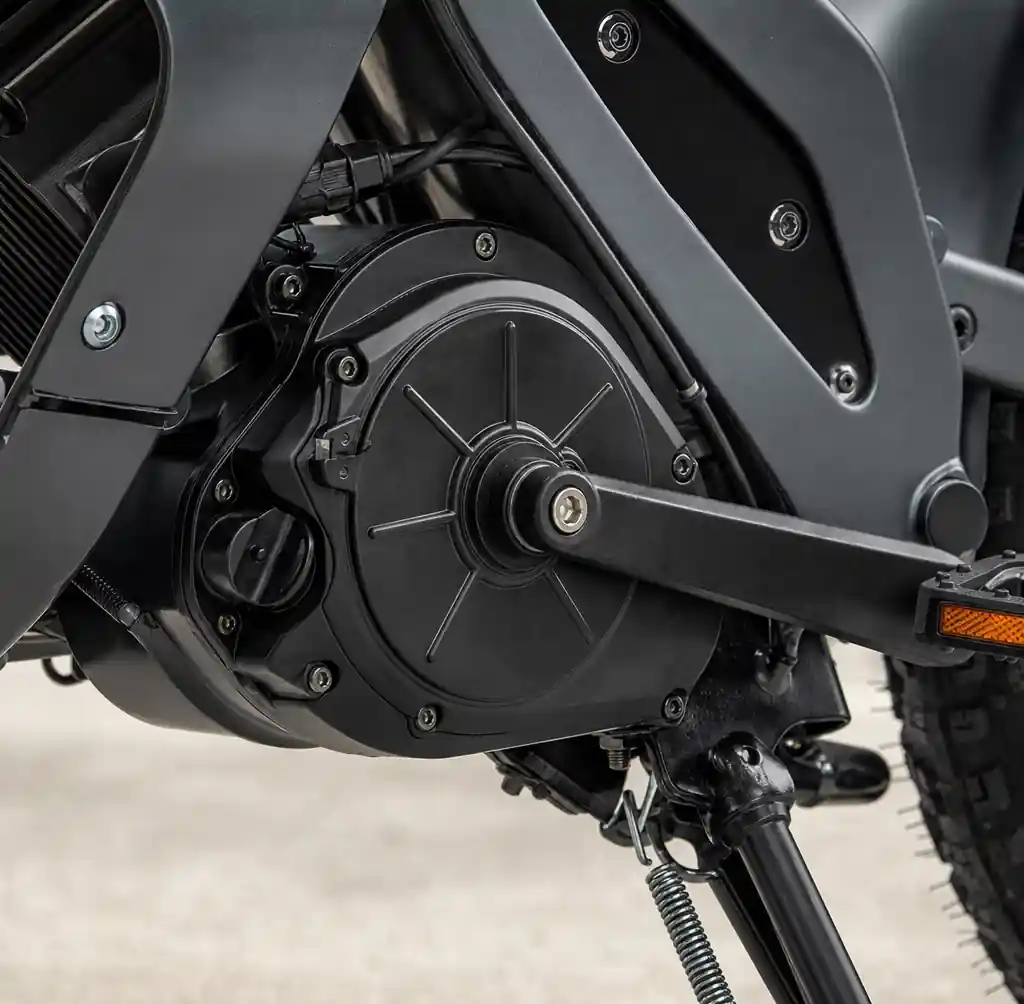
Electric motorcycles require dramatically less maintenance because electric powertrains have approximately 20 moving parts compared to 200+ moving parts in internal combustion engines. This fundamental design difference translates directly into lower service costs and reduced downtime.
Electric Motorcycle Maintenance (5 Years):
- Battery health checks: $50/year
- Brake pad replacement: $80 (once)
- Tire replacement: $120 (twice)
- Chain lubrication: $20/year
- Total 5-Year Cost: $630
Petrol Motorcycle Maintenance (5 Years):
- Oil changes: $30 every 3 months × 20 = $600
- Air filter replacement: $15 × 10 = $150
- Spark plug replacement: $25 × 5 = $125
- Brake pad replacement: $80 × 2 = $160
- Tire replacement: $120 × 2 = $240
- Chain and sprocket: $180
- Fuel filter: $20 × 5 = $100
- Total 5-Year Cost: $1,555
| Maintenance Category | Electric | Petrol | Difference |
|---|---|---|---|
| Annual Average | $126 | $311 | -$185 (59% savings) |
| 5-Year Total | $630 | $1,555 | -$925 (59% savings) |
| Labor Hours | 8 hours | 35 hours | -27 hours |
| Downtime | Minimal | Frequent | Significant difference |
LC Motor electric motorcycles like the Diavel and Hurricane feature sealed electric motors and lithium-ion battery packs that require virtually no routine maintenance beyond tire checks and occasional brake service.
Battery Replacement vs Engine Overhaul Costs
Battery replacement represents the single largest maintenance expense for electric motorcycles, typically required after 1,000-1,500 charge cycles or 5-8 years of normal use. Current lithium-ion battery pack replacement costs range from $500-$1,200 depending on capacity and voltage specifications.
Electric Motorcycle Battery:
- Lifespan: 5-8 years (1,000-1,500 cycles)
- Replacement cost: $500-$1,200
- Degradation: 20% capacity loss after 5 years
- Warranty: 2-3 years standard
Petrol Motorcycle Engine:
- Major service: 40,000-60,000 km
- Piston/ring replacement: $300-$500
- Valve adjustment: $150-$250
- Full engine rebuild: $800-$1,500 (if needed)
When you factor in battery replacement at the 6-year mark, total electric motorcycle ownership costs still remain 40-50% lower than petrol motorcycles over a 10-year period. The R3 and Mid Mounted model features advanced battery management systems that extend battery lifespan through optimized charging protocols.
Real-world case study from a South African delivery company shows their electric motorcycle fleet achieved 1,200 charge cycles over 4.5 years before experiencing noticeable range reduction, validating manufacturer battery lifespan claims.
Performance Comparison: Acceleration, Top Speed, and Range
Electric motorcycles deliver instant torque from zero RPM, providing superior acceleration in city traffic compared to petrol motorcycles that require gear shifting and RPM buildup. However, petrol motorcycles typically offer longer range and faster highway speeds.
Performance Specifications:
| Parameter | Electric Motorcycle | Petrol Motorcycle | Winner |
|---|---|---|---|
| 0-50 km/h | 3.5-4.5 seconds | 5-7 seconds | Electric |
| Top Speed | 80-120 km/h | 90-140 km/h | Petrol |
| Range | 60-100 km | 200-300 km | Petrol |
| Hill Climbing | Excellent torque | Good | Electric |
| Highway Cruising | Limited by battery | Unlimited | Petrol |
| City Traffic | Superior responsiveness | Adequate | Electric |
The Blade Wind electric motorcycle achieves 0-50 km/h in 3.8 seconds thanks to its 5000W brushless motor, outperforming most 250cc petrol motorcycles in urban acceleration. For daily commutes under 50km, electric motorcycles provide better performance and convenience.
You should choose electric motorcycles when your daily riding distance stays within 60-80km and charging access is available at home or work. Select petrol motorcycles for longer touring rides, highway travel, or areas with limited charging infrastructure.
Environmental Impact: Emissions and Carbon Footprint
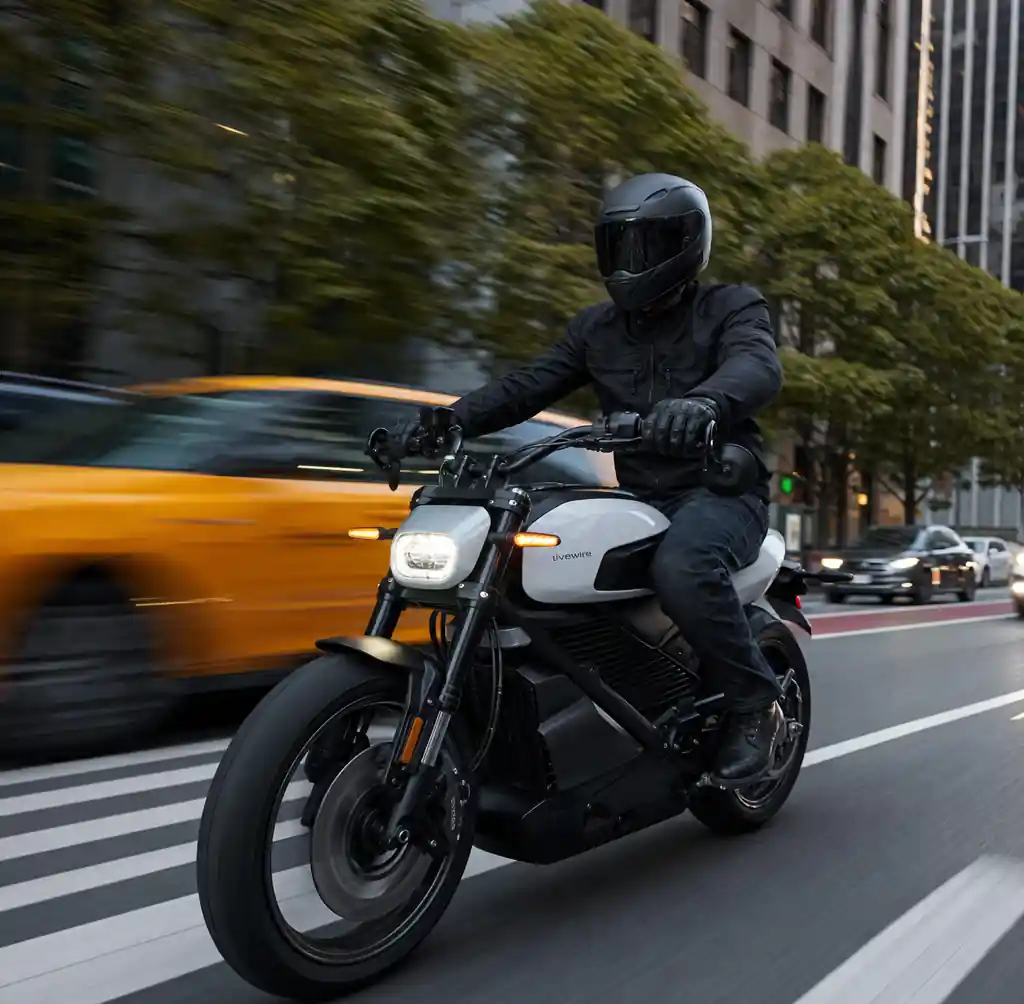
Electric motorcycles produce zero tailpipe emissions, contributing to improved urban air quality and reduced greenhouse gas emissions when charged from renewable energy sources. Total lifecycle carbon footprint depends on electricity generation methods in your region.
Annual Carbon Emissions (10,000 km/year):
- Electric motorcycle: 200-400 kg CO2 (grid-powered)
- Electric motorcycle: 50-100 kg CO2 (solar-charged)
- Petrol motorcycle: 1,800-2,200 kg CO2
- Reduction: 80-90% lower emissions with electric
Cities across Africa and Asia implementing stricter emission standards increasingly restrict petrol motorcycle access to downtown areas, while electric motorcycles receive unrestricted access and preferential parking. This regulatory trend will accelerate as urban air quality concerns intensify.
Real-World Case Studies: Electric vs Petrol Fleets
Case Study 1: Urban Delivery Fleet, Jakarta, Indonesia
- Fleet size: 200 electric motorcycles replacing petrol bikes
- Daily distance: 40-50 km per vehicle
- Annual savings: $38,000 in fuel costs
- Maintenance reduction: 65% fewer service hours
- Uptime improvement: 12% higher vehicle availability
Case Study 2: Individual Commuter, Nairobi, Kenya
- Daily commute: 35 km round trip
- Switched from 150cc petrol to electric motorcycle
- Monthly savings: $45 in fuel + $15 in maintenance
- Payback period: 2.3 years
- Total 5-year savings: $2,800
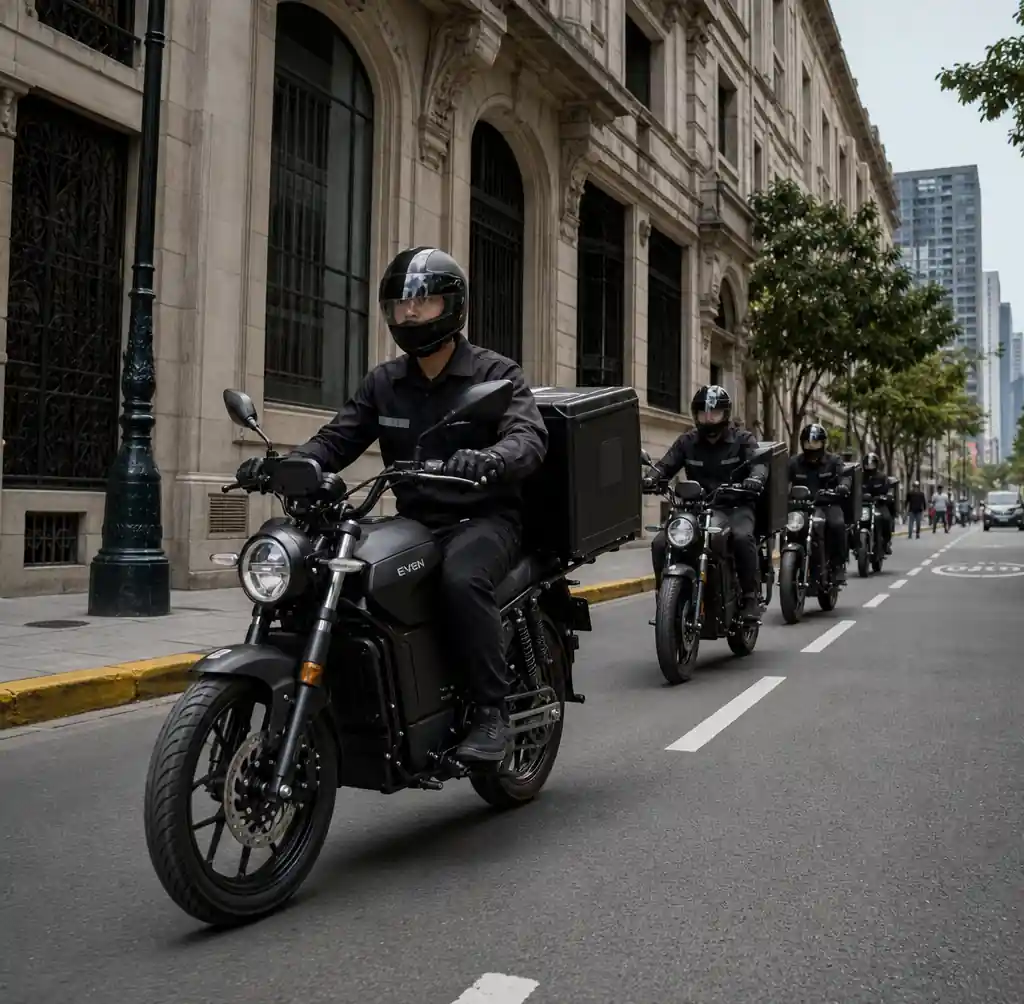
These real-world examples demonstrate that electric motorcycles deliver measurable cost savings for both commercial fleets and individual riders, with faster payback periods in markets with high fuel prices and favorable electricity rates.
Which Motorcycle Type Should You Choose?
Choose Electric Motorcycle When:
- Daily commute under 60 km
- Access to home or workplace charging
- Prioritizing lowest operating costs
- Seeking zero-emission urban transport
- Operating delivery or fleet vehicles
Choose Petrol Motorcycle When:
- Long-distance touring requirements
- Limited charging infrastructure
- Need extended range (200+ km)
- Highway speeds above 100 km/h
- Remote area operation
LC Motor offers comprehensive electric motorcycle solutions including the powerful Hurricane for performance riders, the versatile Diavel for urban commuting, and the efficient R3 for daily transportation needs. Our models feature 60-100 km range, 3000-5000W motors, and competitive pricing starting at $1,800.
Frequently Asked Questions
How much does it cost to charge an electric motorcycle?
Charging an electric motorcycle costs approximately $0.15-$0.30 for a full battery charge, providing 60-80 km of range. This equals $0.002-$0.005 per kilometer, compared to $0.015-$0.025 per kilometer for petrol motorcycles.
What is the lifespan of an electric motorcycle battery?
Lithium-ion batteries in electric motorcycles last 5-8 years or 1,000-1,500 charge cycles before requiring replacement. Proper charging habits and battery management can extend lifespan toward the upper end of this range.
Are electric motorcycles cheaper to maintain than petrol motorcycles?
Yes, electric motorcycles cost 50-70% less to maintain over five years because they eliminate oil changes, spark plug replacements, air filter changes, and most engine-related service requirements.
Can electric motorcycles handle long-distance travel?
Current electric motorcycles work best for daily commutes under 80 km. Long-distance travel requires charging stops every 60-100 km depending on battery capacity and riding conditions, making petrol motorcycles more practical for touring.
Do electric motorcycles have enough power for highway riding?
Premium electric motorcycles like the LC Motor Hurricane achieve 100-120 km/h top speeds suitable for highway riding, though sustained high-speed operation reduces range significantly compared to city riding.
What government incentives are available for electric motorcycles?
Many countries offer $200-$800 purchase subsidies, reduced registration fees, tax exemptions, and preferential parking for electric motorcycles. Check your local transportation authority for current incentive programs.
Conclusion
Electric motorcycles deliver 70-90% lower operating costs through reduced fuel expenses and minimal maintenance requirements. Total cost of ownership over five years favors electric motorcycles by $2,000-$3,500 for daily commutes under 60 km with charging access.
LC Motor offers reliable electric motorcycles with 60-100 km range, powerful 3000-5000W motors, and competitive pricing for commuting and fleet operations. Contact us today for specifications and wholesale inquiries.