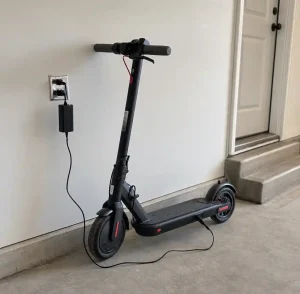







Urban commuters spend an average of $200 per month on transportation, with fuel costs and parking fees accounting for 60% of this expense. Electric scooters can reduce these costs by up to 70%, but battery performance and charging practices directly affect your savings and vehicle lifespan.
If you want to maximize your electric scooter’s battery life and minimize operating costs, then you will need to understand proper charging techniques, battery care fundamentals, and the real costs per charge in different markets. This comprehensive guide covers charging times, battery types, home charging setup, cost analysis by country, and proven strategies to extend battery longevity.
How Electric Scooter Charging Works
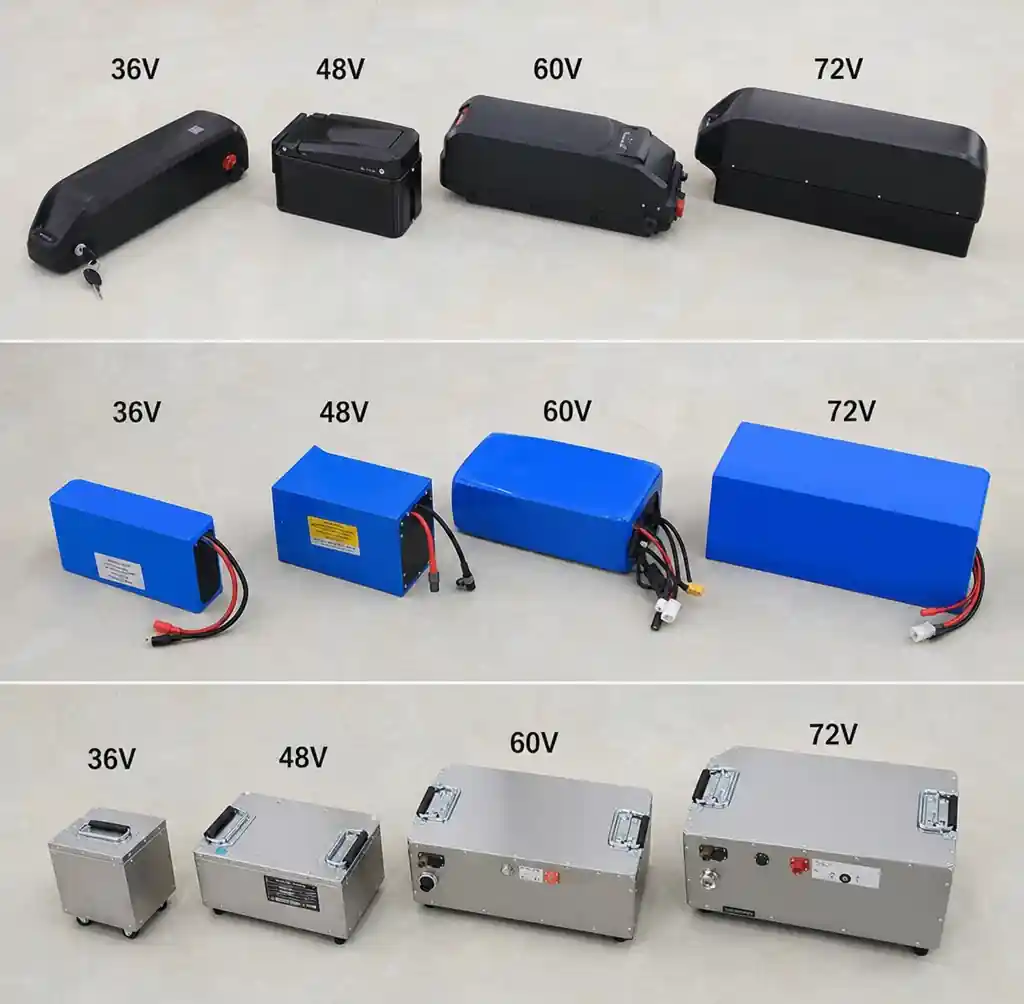
Electric scooters use lithium-ion batteries that store electrical energy and release it to power the brushless motor. The charging system consists of three main components: the battery pack (typically 36V-72V), a Battery Management System (BMS) that regulates charging, and an AC-to-DC charger that converts wall power to the correct voltage.
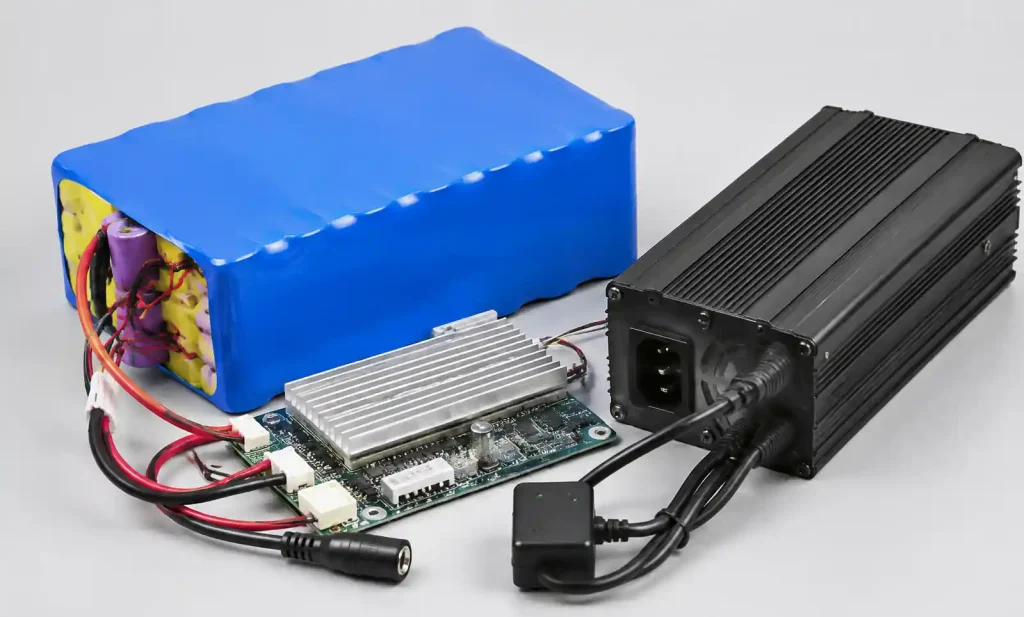
When you plug in your scooter, the charger delivers DC current at the battery’s rated voltage. The BMS monitors cell temperature, voltage balance, and charge rate to prevent overcharging or thermal damage. Most systems use Constant Current-Constant Voltage (CC-CV) charging, starting with high current for fast filling, then switching to lower current as the battery approaches full capacity.
You should always use the manufacturer-supplied charger or an approved replacement. Third-party chargers may lack proper voltage regulation or BMS communication, risking battery damage or safety hazards. LC Motor electric scooters include intelligent chargers that automatically shut off when charging completes.
Charging Time by Battery Type
Charging time depends on battery capacity (measured in Ah or Wh) and charger output power. The formula is simple: charging time = battery capacity ÷ charger power. Real-world charging times include efficiency losses of about 15-20%.
| Battery Capacity | Charger Output | Ladezeit | Typical Models |
|---|---|---|---|
| 36V 10Ah (360Wh) | 2A (72W) | 4-5 hours | Budget commuter scooters |
| 48V 15Ah (720Wh) | 3A (144W) | 5-6 hours | Mid-range urban models |
| 48V 20Ah (960Wh) | 3A (144W) | 6-7 hours | Long-range scooters |
| 60V 20Ah (1200Wh) | 5A (300W) | 4-5 hours | Performance models |
| 72V 32Ah (2304Wh) | 5A (360W) | 7-8 hours | High-capacity touring scooters |
Die Crown Prince electric scooter from LC Motor features a 48V 20Ah battery that charges fully in 6 hours with the standard 3A charger. For fleet operations requiring faster turnaround, fast chargers can reduce this to 3-4 hours, though frequent fast charging shortens overall battery lifespan.
Home Charging Setup Guide
Setting up home charging requires only a standard household outlet and proper safety practices. You need a dry, ventilated location away from flammable materials, with stable temperature between 50-77°F (10-25°C).
Step-by-step setup:
First, identify a dedicated charging spot near a grounded outlet. Avoid extension cords when possible—direct connection reduces resistance and heat buildup. If you must use an extension cord, choose 14-gauge or thicker wire rated for at least 15A continuous load.
Second, establish a charging routine. Wait 15-30 minutes after riding before connecting the charger to allow battery temperature to normalize. Hot batteries accept charge less efficiently and experience accelerated degradation when charged immediately after use.
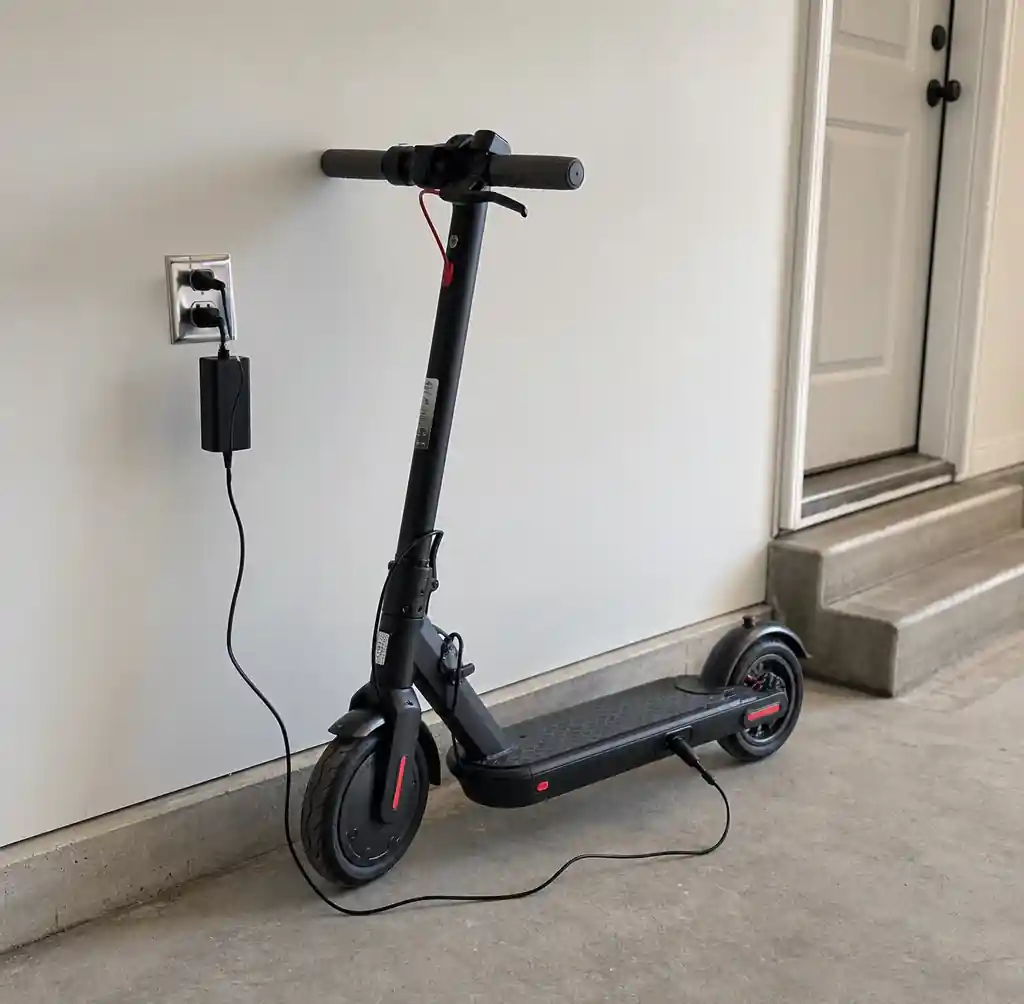
Third, monitor the first few charging cycles. Check that the charger remains cool to touch and the scooter’s BMS indicator shows normal charging status. Most LC Motor models include LED indicators: red for charging, green for complete.
For multi-scooter operations or delivery fleets, install multiple dedicated outlets on separate circuits to avoid overloading a single breaker. A 15A household circuit can safely support 2-3 standard scooter chargers simultaneously.
Charging Costs by Country
Electric scooter charging costs vary dramatically based on local electricity rates. A typical 48V 20Ah battery (960Wh) requires about 1.1 kWh including charging losses.
| Country/Region | Electricity Rate | Cost Per Charge | Annual Cost (Daily Use) |
|---|---|---|---|
| United States | $0.16/kWh | $0.18 | $66 |
| United Kingdom | $0.34/kWh | $0.37 | $135 |
| Germany | $0.38/kWh | $0.42 | $153 |
| China | $0.08/kWh | $0.09 | $33 |
| India | $0.10/kWh | $0.11 | $40 |
| Southeast Asia | $0.12/kWh | $0.13 | $47 |
| Africa (average) | $0.15/kWh | $0.17 | $62 |
These costs represent 70-85% savings compared to petrol scooters consuming 2.5L/100km at current fuel prices. For delivery companies operating 50-scooter fleets, annual electricity costs in Southeast Asia total approximately $2,350 compared to $18,000+ for equivalent petrol vehicles.
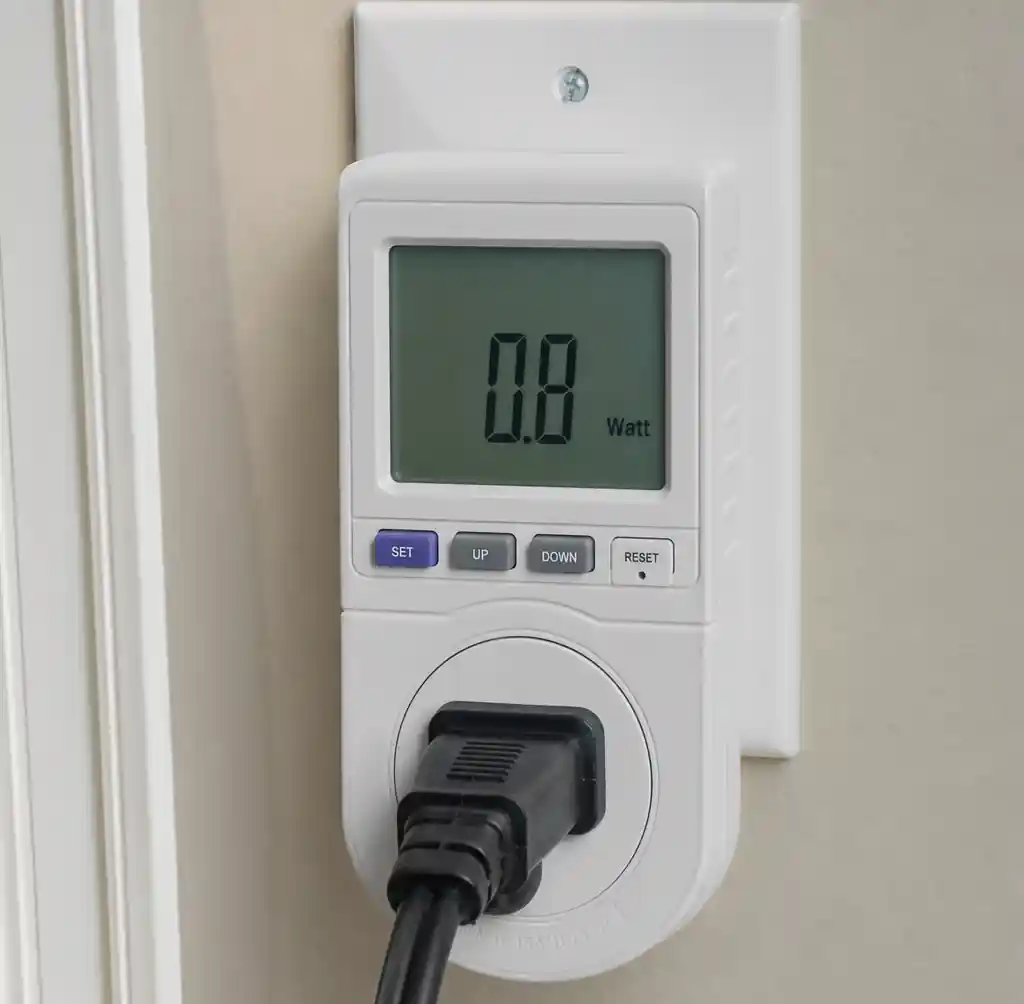
Commercial electricity rates often include demand charges and time-of-use pricing. Charging during off-peak hours (typically 10 PM to 6 AM) can reduce costs by 30-50% in markets with tiered pricing structures.
Fast Charging vs Slow Charging
Fast charging delivers higher current to reduce charging time, while slow charging uses lower current over longer periods. The choice affects convenience and battery health.
Fast charging (5-10A chargers) completes charging in 3-4 hours but generates more heat. A 2025 Geotab study of 22,700 electric vehicles found batteries fast-charged over 12% of the time degraded at 2.5% annually, compared to 1.5% for slow charging. Heat and higher charge rates accelerate chemical reactions that reduce capacity.
Slow charging (2-3A chargers) takes 6-8 hours but maintains lower temperatures and reduces battery stress. Modern Battery Management Systems mitigate fast-charging damage, but physics favors gentler charge rates for longevity.
Recommendation: Use slow charging as default for daily top-ups at home. Reserve fast charging for quick turnaround situations like mid-day fleet rotations. LC Motor’s intelligent BMS adjusts charge rates based on temperature and state of charge.
For commercial operations, slow-charge overnight with 2-3 fast chargers available for emergencies.
Battery Care Best Practices
Proper battery maintenance can extend lithium-ion lifespan from 500 cycles to 1,000+ cycles, effectively doubling your battery’s useful life.
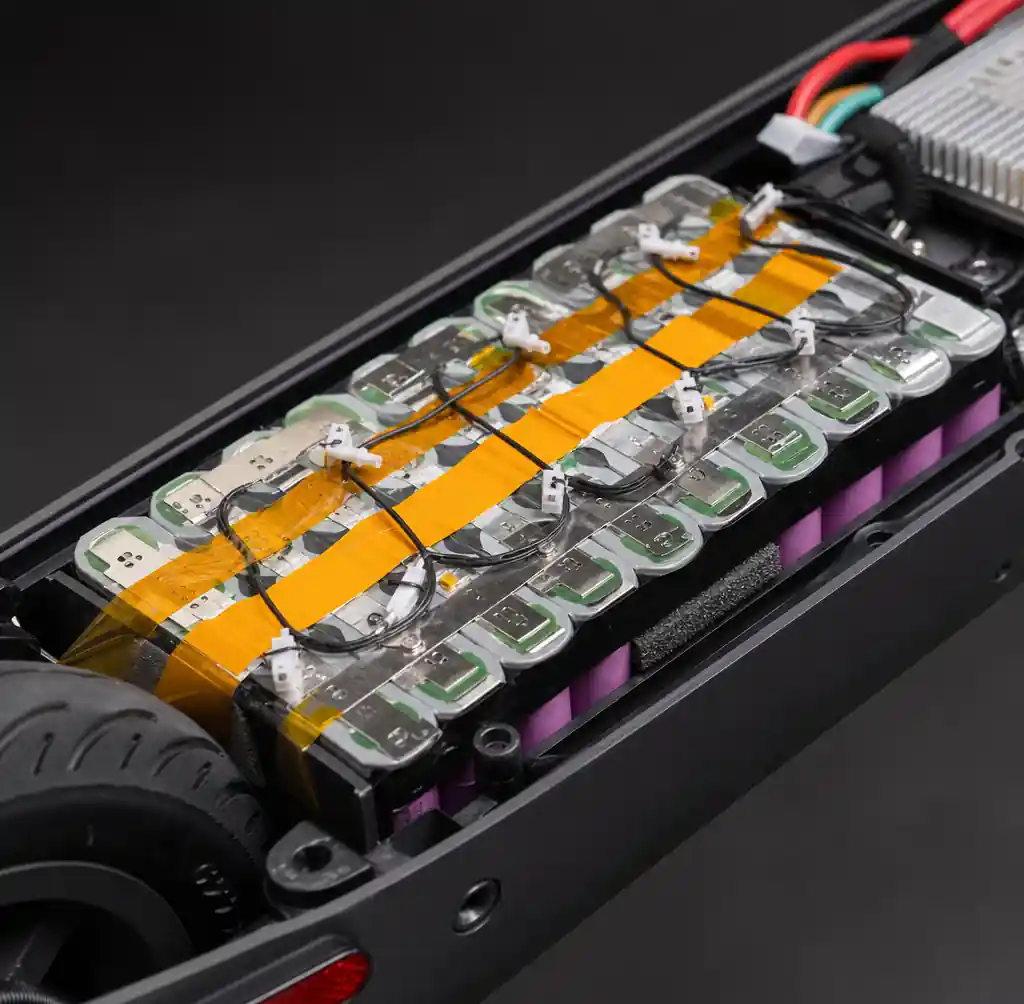
Follow the 20-80% rule. Keep your battery between 20% and 80% charge for daily use. Lithium-ion batteries degrade fastest at extremes. Charge to 100% once monthly for cell balancing.
Avoid temperature extremes. Charge and store between 50-77°F (10-25°C). Cold batteries accept charge slowly and suffer capacity loss below freezing. Heat accelerates degradation—never charge in direct sunlight.
Store partially charged. For storage over two weeks, maintain 50-60% charge. Full batteries left unused degrade rapidly. Check monthly and top up to 60% if needed.
Use correct chargers. Always use manufacturer-approved chargers that communicate with your BMS. Generic chargers lack proper regulation, risking safety and longevity.
Minimize deep discharges. Repeatedly draining to 0% shortens battery life. Recharge when you reach 20-30% remaining capacity.
LC Motor electric scooters include UL-certified battery systems with thermal protection, overcharge prevention, and cell balancing. Our Kronprinz und Off-Road models feature removable batteries for convenient indoor charging.
Public Charging Options
Public charging infrastructure for electric scooters remains limited. As of 2026, fewer than 12% of U.S. municipalities report scooter-specific charging stations. Most riders rely on home charging.
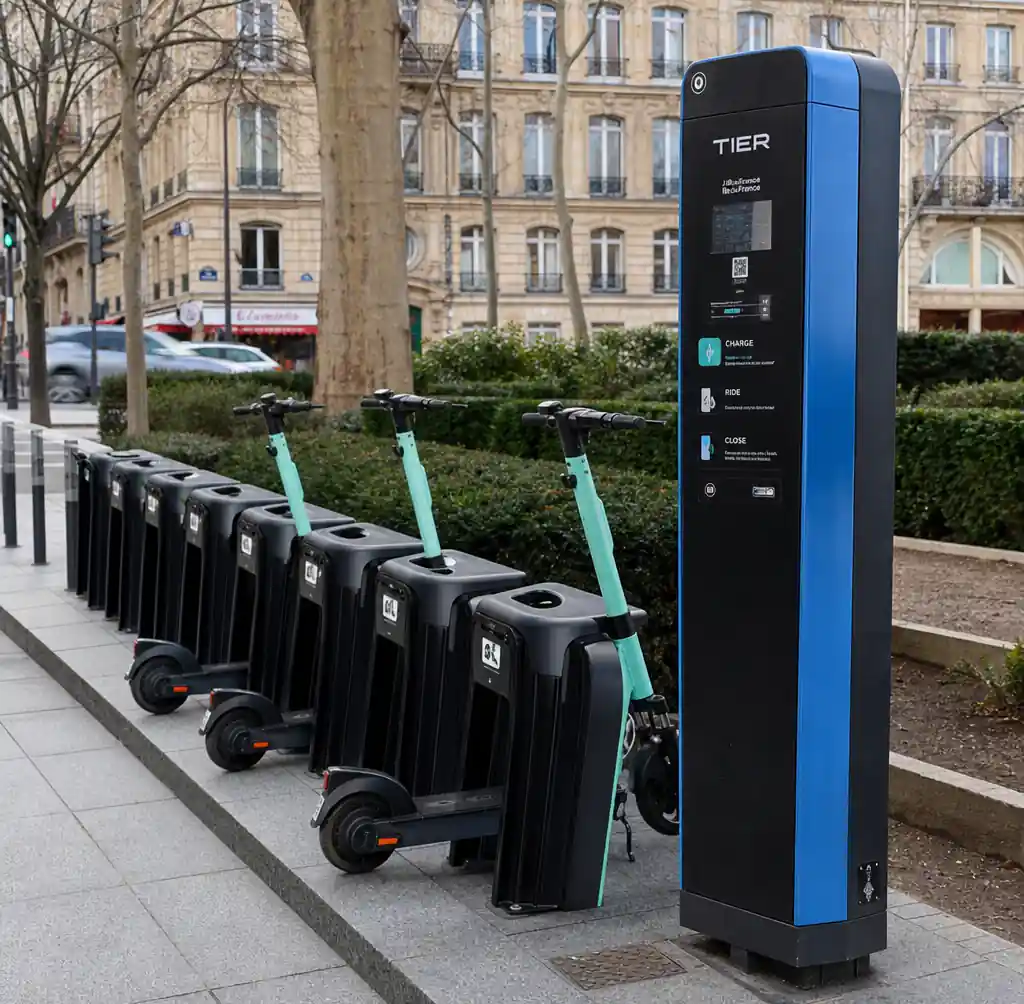
Workplace charging is becoming common as employers install outdoor outlets. Retail locations occasionally provide outlet access at cafes and shopping centers. Shared micromobility hubs in progressive cities offer charging infrastructure for personally-owned scooters. EV charging stations sometimes include standard outlets alongside car chargers.
For fleet operators, LC Motor provides consultation on charging infrastructure planning. Learn more about our technology capabilities.
Solar Charging Possibilities
Solar charging requires a photovoltaic panel (100W+), an MPPT charge controller, and DC-to-DC converter. A 48V 20Ah battery needs approximately 1,100Wh of solar generation. A 100W panel produces 400-500Wh daily, requiring 2-3 days for a full charge.
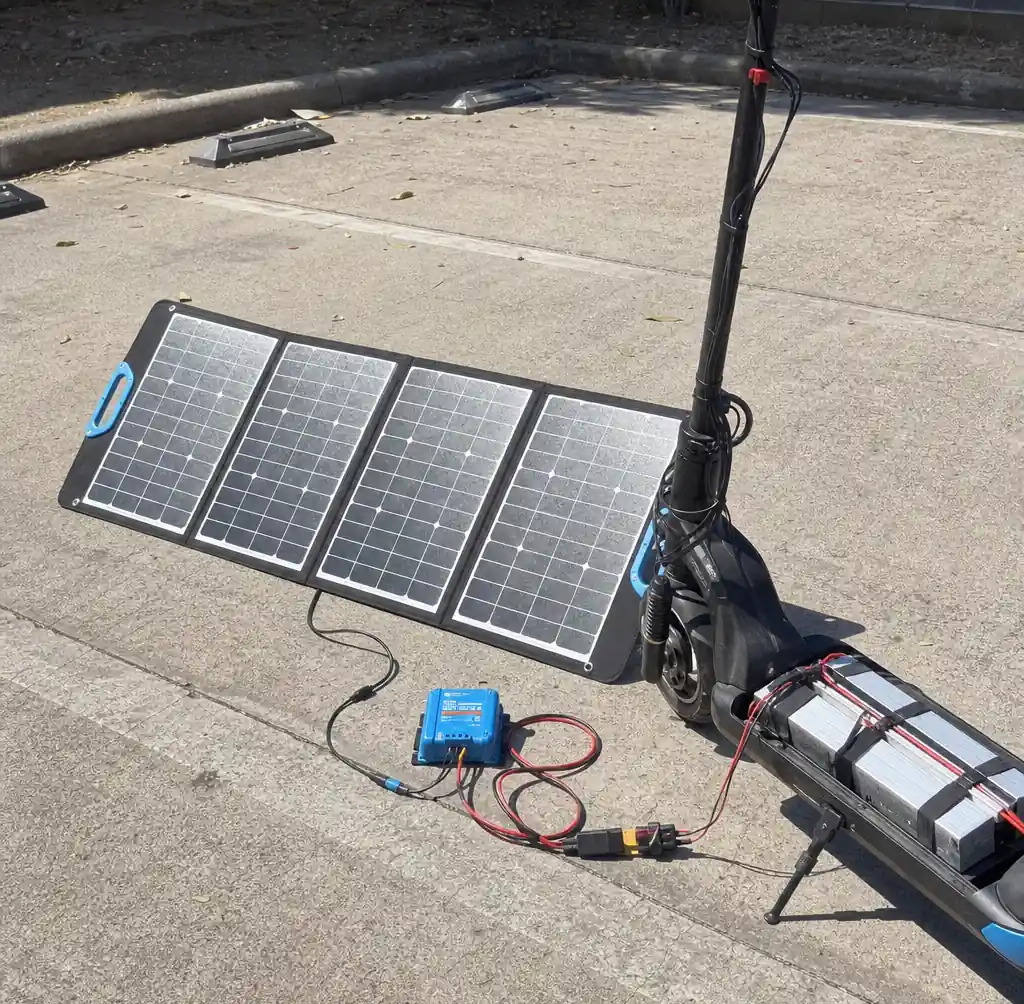
Configurations include: portable panels with power stations, direct DC charging systems, or mounted permanent panels for mobility scooters. Solar charging suits off-grid applications but upfront costs typically exceed 2-3 years of grid electricity. For most urban commuters, home charging remains more practical.
FAQ
How long does electric scooter charging take?
Charging time ranges from 4-8 hours depending on battery capacity. A typical 48V 20Ah battery requires 6 hours with a standard 3A charger. Fast chargers reduce this to 3-4 hours but may impact battery health with frequent use.
Can I charge my electric scooter overnight?
Yes, modern BMS systems stop charging at 100%. However, unplug once complete for optimal longevity. Set a timer or charge to 80% for daily use.
What is the cost to charge an electric scooter?
Costs range from $0.02 to $0.45 per charge based on electricity rates. In the U.S. at $0.16/kWh, a full charge costs approximately $0.18. Annual costs average $33-$153 globally, representing 70%+ savings versus petrol.
Should I charge my scooter after every ride?
Not necessarily. Charge when your battery reaches 20-30% remaining. For short daily trips using 20-30% capacity, charging every 2-3 days is sufficient and better for longevity.
Can I use a different charger?
Only use manufacturer-approved chargers with matching voltage and current rating. Generic chargers risk overcharging or thermal damage. LC Motor provides replacement chargers for all models with guaranteed compatibility.
What temperature is safe for charging?
Charge between 50-77°F (10-25°C). Avoid charging below 32°F or above 95°F. In extreme temperatures, move the battery indoors to normalize temperature before charging.
Fazit
Proper electric scooter charging practices directly impact operating costs, battery lifespan, and vehicle reliability. Following the 20-80% rule, maintaining optimal temperature, and using approved chargers can extend your battery from 500 to 1,000+ cycles while keeping costs below $0.20 per charge in most markets.
LC Motor offers reliable electric scooters with intelligent charging systems and long-range batteries. Our Kronprinz, Off-Road, and Polizeiroller feature UL-certified battery systems, intelligent BMS, and removable batteries. We provide individual sales and bulk orders for delivery fleets and rental operations worldwide.
Nehmen Sie noch heute Kontakt mit uns auf for product specifications, pricing, and charging infrastructure consultation.