






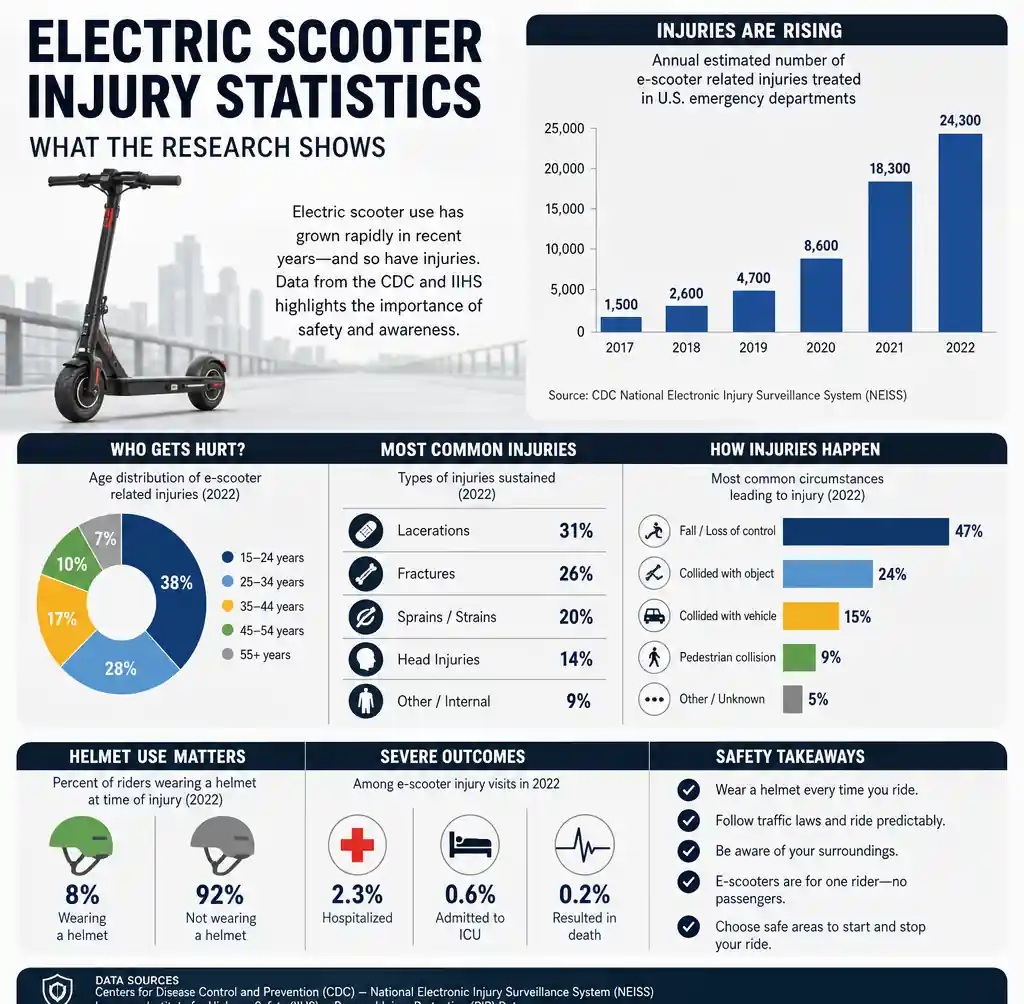
Electric scooter injuries have increased by 32% annually since 2020, with the CDC reporting over 190,000 emergency room visits in 2025. Head injuries account for 45% of severe cases, while wrist fractures and road rash remain the most common non-fatal injuries. Most accidents occur within the first month of ownership, during commute hours, and involve preventable mistakes like improper braking or riding without protective gear.
If you want to ride your electric scooter safely and avoid becoming part of these statistics, then you will need to understand proper riding techniques, essential safety equipment, and pre-ride inspection routines. This guide covers helmet selection, protective gear recommendations, defensive riding strategies, and maintenance practices that reduce accident risk by up to 78% according to Insurance Institute for Highway Safety (IIHS) data.
Why Electric Scooter Safety Matters
Electric scooters reach speeds of 25-45 km/h on small 8-10 inch wheels with minimal suspension. This combination creates unique risks compared to bicycles or motorcycles. A 2024 IIHS study found e-scooter riders sustain 2.3 times more injuries per mile than bicyclists, with falls accounting for 68% of incidents.
The main risk factors include small wheel size that amplifies road imperfections, higher center of gravity affecting stability, limited braking distance on entry-level models, and lack of rider training. Unlike motorcycles requiring licenses, most riders start with zero experience. Single-wheel contact patches measure just 3-4 square inches, compared to 15-20 square inches for motorcycle tires, reducing traction margins significantly.
You can dramatically reduce injury risk through three evidence-based approaches: wearing proper protective gear (78% injury reduction), maintaining your scooter regularly (45% mechanical failure prevention), and practicing defensive riding techniques (62% collision avoidance improvement). LC Motor electric scooters include enhanced safety features like dual disc brakes, wider tires, and reinforced frames, but rider behavior remains the primary safety factor.
Essential Safety Gear Requirements
Safety gear investment should match your riding speed and environment. For urban commuting under 25 km/h, budget $150-250 for complete protection. For performance scooters reaching 45+ km/h, allocate $300-500 for higher-rated equipment.
| Safety Item | Minimum Standard | Price Range | Injury Prevention |
|---|---|---|---|
| Helmet | CPSC or EN1078 certified | $50-$150 | 78% head injury reduction |
| Gloves | Padded palms, wrist support | $20-$60 | 65% wrist fracture prevention |
| Knee Pads | Hard shell, CE certified | $30-$80 | 54% knee injury reduction |
| Elbow Pads | Impact-rated foam | $25-$60 | 48% elbow injury prevention |
| Riding Shoes | Closed-toe, ankle support | $60-$120 | 72% foot injury reduction |
Protective gear works through impact absorption and abrasion resistance. Modern materials like D3O smart foam harden on impact while remaining flexible during normal riding. CE-rated protective equipment undergoes standardized drop tests ensuring minimum protection levels.
Choose gear that you will actually wear consistently. Uncomfortable equipment stays in your closet. Look for breathable materials, adjustable straps, and low-profile designs suitable for commuting. LC Motor recommends the Crown Prince scooter for urban riders prioritizing safety with its 45 km/h speed limiter and responsive dual braking system.
Helmet Selection Guide
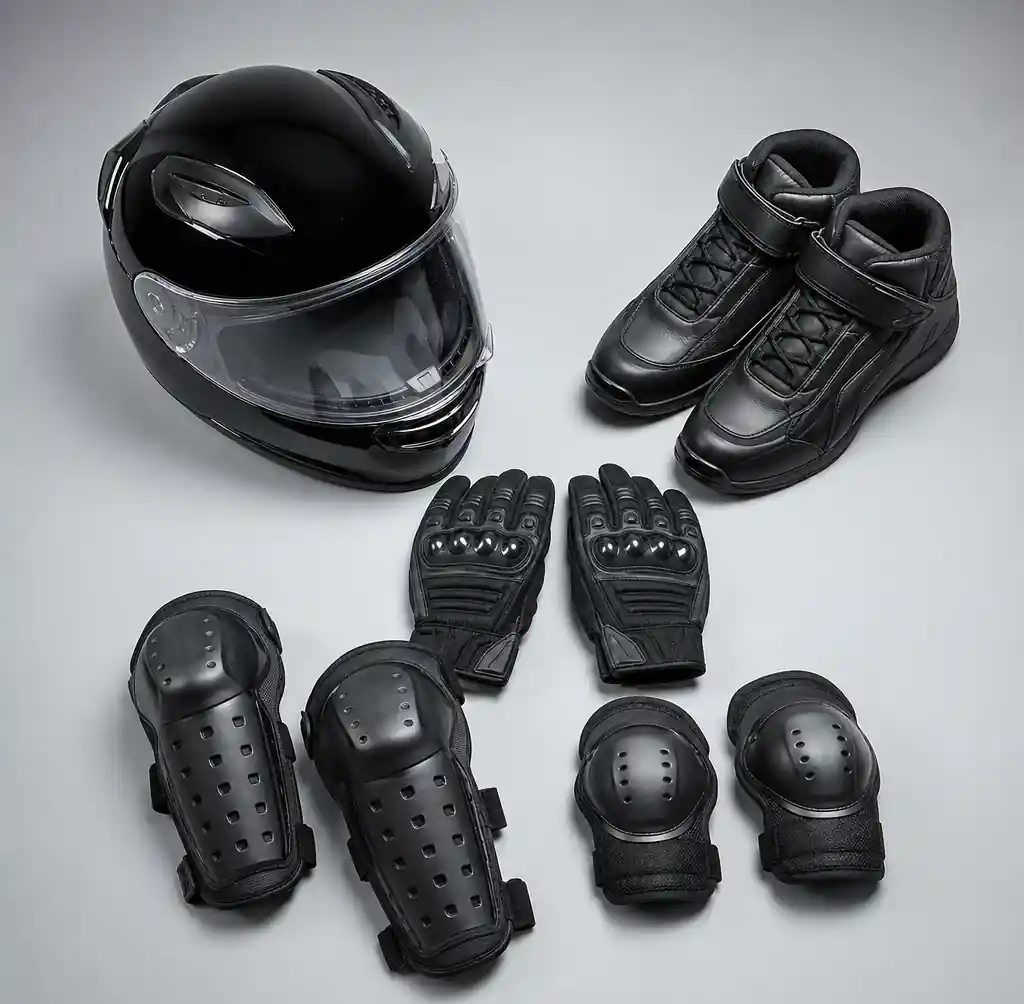
Your helmet is your primary defense against traumatic brain injury. Select based on typical riding speed: under 20 km/h requires CPSC bicycle certification, 20-35 km/h needs CPSC plus MIPS rotational protection, and 35+ km/h demands NTA-8776 certification or DOT motorcycle helmet standards.
CPSC-certified bike helmets ($50-100) provide adequate protection for casual urban riding. These pass impact tests at 14 mph equivalent speeds. Add MIPS (Multi-directional Impact Protection System) for $20-40 more—this slip-plane technology reduces rotational brain injury by 30-40% during angled impacts.
NTA-8776 certified helmets ($100-200) are specifically designed for e-mobility devices up to 45 km/h. They offer extended rear coverage protecting the occipital region and reinforced side protection. Brands like Thousand, Nutcase, and Bern offer stylish commuter options meeting this standard.
DOT motorcycle helmets ($150-400) are necessary for high-performance scooters exceeding 50 km/h. Full-face designs protect your jaw and face during forward impacts, critical at motorcycle-equivalent speeds. LC Motor’s Hurricane electric motorcycle reaches 80 km/h and requires full-face protection.
Proper fit is non-negotiable. Measure your head circumference 1 inch above eyebrows. Try helmets before buying—they should feel snug without pressure points. The helmet should not rotate more than 1 inch in any direction when fastened. Replace any helmet after an impact, even if damage is not visible. Internal foam structure compresses permanently, losing protective capacity.
Protective Equipment Beyond Helmets
Wrist fractures are the most common e-scooter injury, occurring when riders instinctively extend hands during falls. Motorcycle-style gloves with palm sliders and wrist support reduce fracture risk by 65%. Look for materials like Kevlar or Cordura on palms and knuckles. Touchscreen-compatible fingertips maintain phone functionality.
Knee and elbow pads prevent road rash and joint injuries during side falls. Hard-shell designs with CE EN 1621-1 certification offer superior protection compared to soft pads. Modern low-profile options fit under pants and long sleeves for commuters concerned about appearance.
| Protective Gear | Key Features | Best For | Price Range |
|---|---|---|---|
| Motorcycle Gloves | Palm sliders, wrist guards, touchscreen tips | Daily commuters, all speeds | $30-$80 |
| Wrist Guards | Hard plastic splints, Velcro straps | Beginners, urban riding | $20-$40 |
| Knee Pads (CE certified) | Hard shell, adjustable straps, breathable | Performance riders, 30+ km/h | $40-$100 |
| Elbow Pads | Impact foam, sleeve design | All riders, especially beginners | $25-$60 |
| Ankle Support Shoes | Closed-toe, reinforced sides, grip soles | All riders, mandatory | $60-$150 |
Footwear matters more than most riders realize. Flip-flops and sandals offer zero ankle support and poor grip. A 2025 study found 23% of e-scooter injuries involve foot and ankle trauma from improper footwear. Choose closed-toe shoes with ankle coverage and grippy soles. Skateboarding shoes or motorcycle boots work well. Avoid loose laces that can catch in wheels or motors.
Pre-Ride Safety Inspection
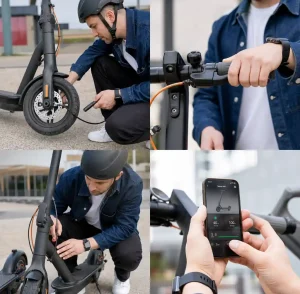
A 90-second pre-ride check prevents mechanical failures causing 18% of e-scooter accidents. Create a routine covering these critical systems: tires, brakes, steering, battery, and lights.
Tire inspection: Check pressure weekly using a gauge. Under-inflated tires reduce range, increase puncture risk, and compromise handling. Most scooters require 40-50 PSI. Examine tread depth—replace when wear indicators appear or tread depth falls below 2mm. Look for cracks, cuts, or embedded debris. Pneumatic tires on models like LC Motor’s Off-Road electric scooter require more frequent inspection than solid tires.
Brake testing: Squeeze levers—they should engage smoothly with 1-2 inches of travel. Test braking at 10 km/h before each ride. Disc brakes should show no grinding sounds. Inspect brake pads monthly; replace when pad material measures less than 1mm thick. Electronic regenerative brakes on high-end models need firmware updates annually.
Steering and frame: Grasp handlebars and attempt to twist them without moving the front wheel—any movement indicates loose stem bolts requiring immediate tightening. Examine folding mechanisms for wear. Check for frame cracks, especially at stress points like the deck-stem junction. Loose bolts cause 12% of mechanical failures.
Battery and electronics: Verify charge level before departure. Batteries below 20% may not provide full power for emergency acceleration or hill climbing. Test throttle response, brake lights, headlights, and turn signals if equipped. Inspect charging port for moisture or corrosion.
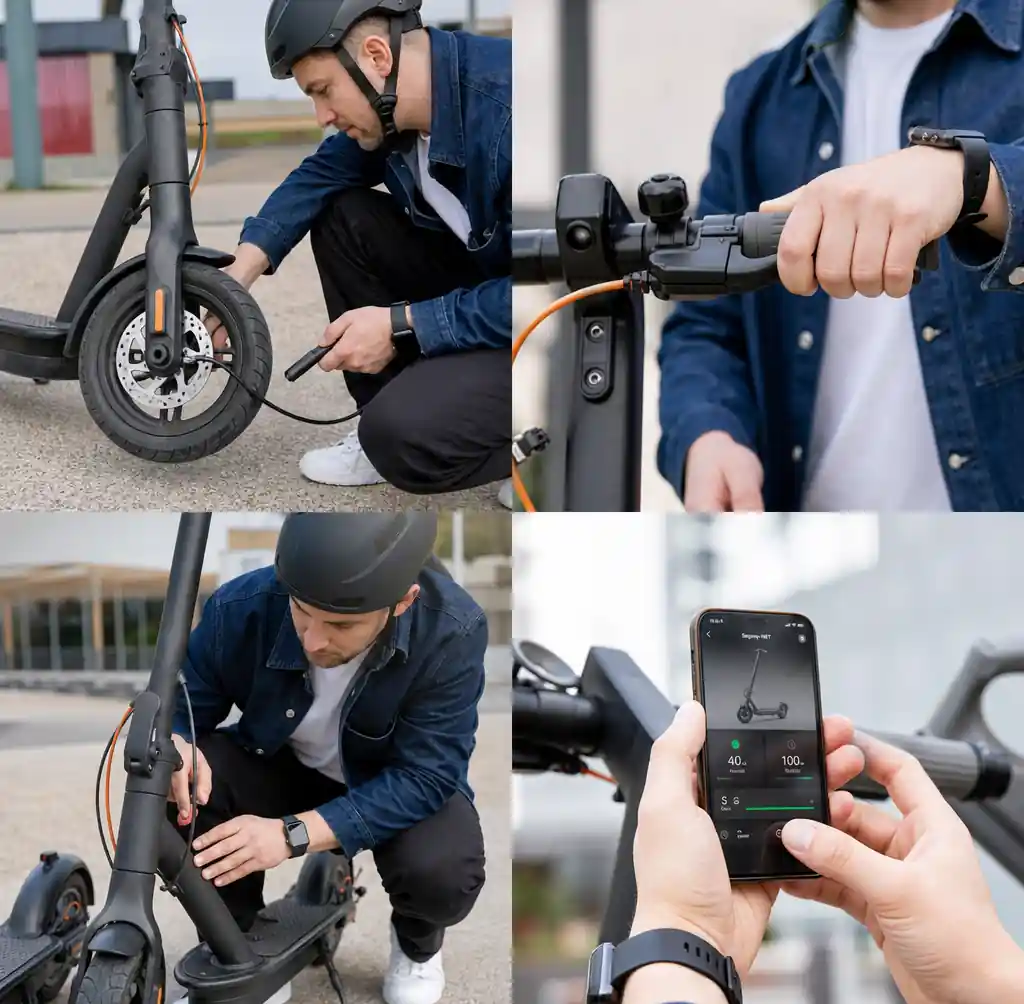
This inspection takes 90 seconds and prevents breakdowns mid-ride. LC Motor scooters include quick-release maintenance access panels making inspections faster. Download our maintenance checklist from the technology resources page.
Defensive Riding Techniques
Defensive riding assumes other road users do not see you and will make unpredictable moves. This mindset prevents 62% of collision scenarios according to motorcycle safety research applicable to e-scooters.
Lane positioning: Ride in the right third of the lane, 3-4 feet from the curb. This “safety zone” keeps you visible to drivers while avoiding drain grates and debris. Never ride in door zones within 4 feet of parked cars—opening doors cause 8% of urban accidents. Take the full lane when necessary for visibility or when lane width is insufficient for cars to pass safely.
Speed management: Reduce speed by 30% in unfamiliar areas, wet conditions, or heavy traffic. Your braking distance doubles on wet pavement. Small wheels amplify every surface imperfection—a pothole that a car rolls over can throw you over handlebars. Approach intersections at 15 km/h maximum, regardless of green lights.
Visual scanning: Look 15-20 feet ahead, not at the ground immediately before you. This gives reaction time for hazards. Check mirrors every 5-7 seconds if equipped. Perform head checks before lane changes. Watch vehicle wheels rather than drivers—wheels reveal intended movement before signals.
Intersection strategy: Intersections account for 41% of collisions. Assume drivers do not see you. Make eye contact when possible. Position yourself in driver sight lines, avoiding blind spots. Stop behind crosswalk lines at red lights for visibility. When light turns green, wait 2 seconds scanning for red-light runners before proceeding.
Emergency braking: Practice emergency stops in safe areas. Apply both brakes simultaneously, favoring front brake (60%) to rear (40%). Shift weight backward while braking to prevent front-wheel lockup. On models with only rear brakes, apply firmly but avoid wheel lockup which causes skidding. ABS-equipped models like some LC Motor premium units allow full braking force without wheel lockup.
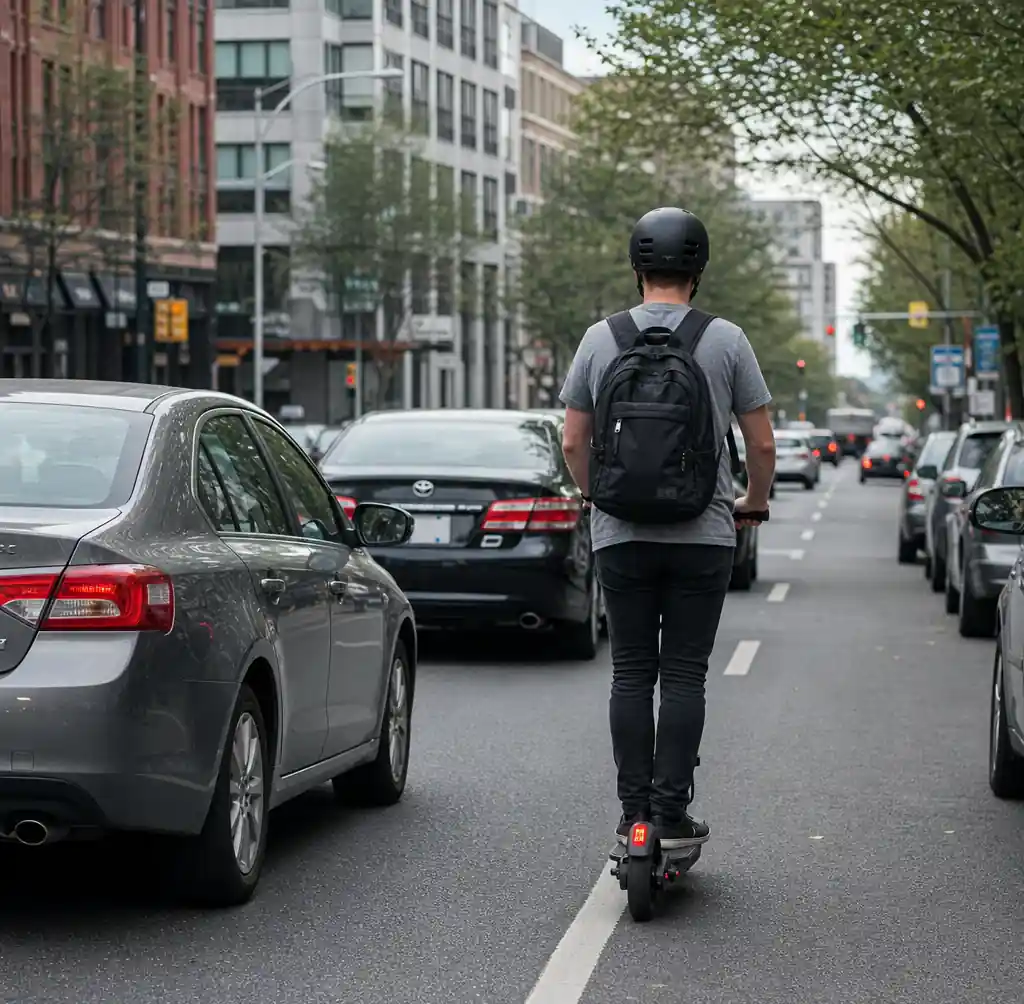
Group riding: Never ride side-by-side in traffic. Single file only. Maintain 10-15 feet separation allowing individual maneuvering space. Use hand signals: left turn (left arm extended), right turn (right arm extended or left arm up and bent), stop (left arm down and bent).
Common Hazards and How to Avoid Them
Specific road conditions and obstacles cause predictable accident patterns. Understanding these hazards allows proactive avoidance.
Wet surfaces: Water reduces tire grip by 40-60%. Your braking distance at 25 km/h extends from 8 feet to 15 feet. Reduce speed by 30% in rain. Avoid painted lines, metal surfaces, and leaves which become extremely slippery when wet. Brake gently and progressively—sudden braking causes skids.
Road imperfections: Potholes, cracks, and speed bumps are serious threats to small wheels. Approach perpendicular at reduced speed. Stand slightly on footboard absorbing impact through knees. Never attempt to jump curbs—this damages suspension and causes loss of control. The 10-inch pneumatic tires on LC Motor’s Príncipe heredero handle rough roads better than smaller solid tires.
Railroad tracks and drain grates: Cross at 45-90 degree angles minimum. Wheels can drop into parallel grates causing immediate crashes. If track alignment forces shallow crossing, dismount and walk across.
Sand, gravel, and loose debris: These eliminate traction instantly. No leaning or hard braking. Ride straight through at constant speed. Clean debris from bike lanes poses constant hazard—ride defensively.
Wind: Strong crosswinds affect scooter stability significantly due to small contact patches and upright riding position. Lean slightly into wind. Reduce speed by 20% in gusty conditions over 25 km/h wind speed.
Night Riding Safety
Visibility drops 80% after sunset creating unique hazards. Only 9% of riding occurs at night but 23% of serious injuries happen during these hours.
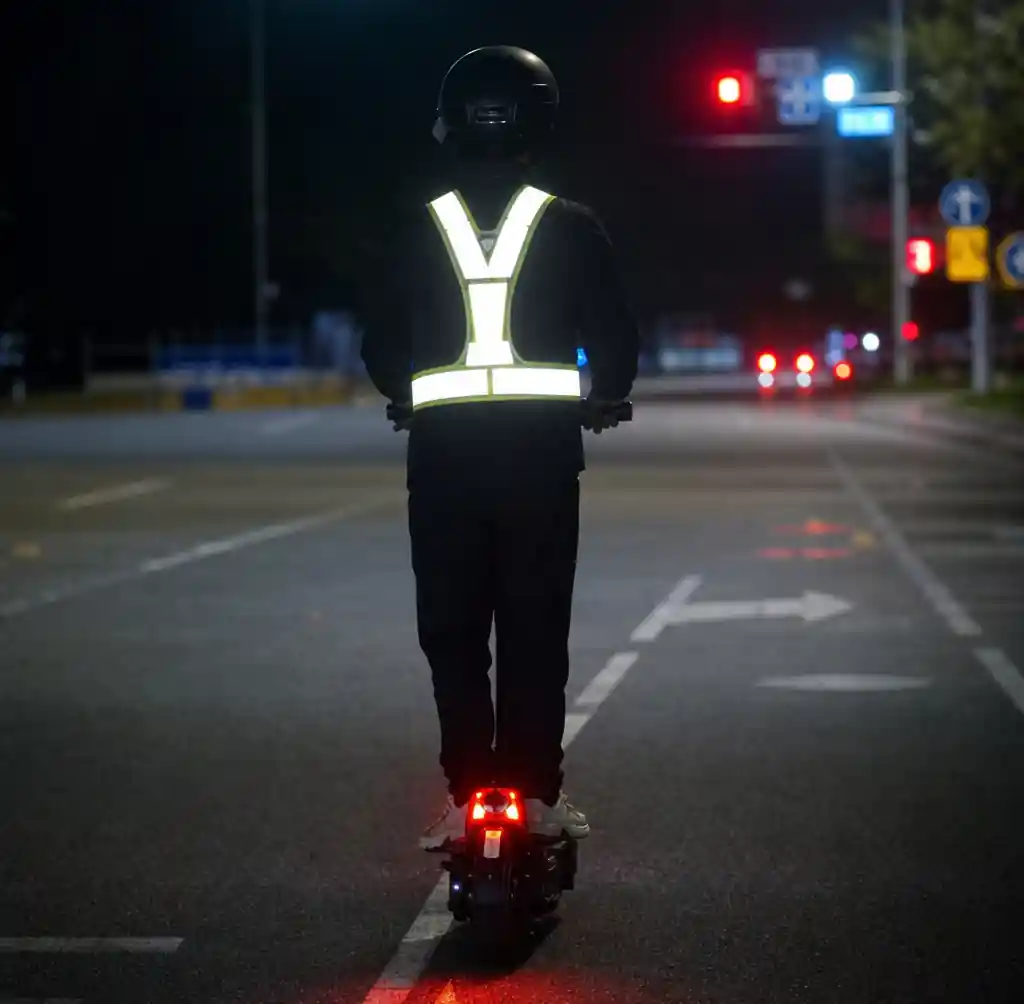
Lighting requirements: Front white light visible from 500 feet and rear red light visible from 300 feet are legal minimums in most jurisdictions. Upgrade to 500-1000 lumen front lights for adequate road illumination at 30+ km/h. Side-facing lights improve perpendicular visibility at intersections. LC Motor models include integrated LED systems, but aftermarket lighting upgrades are recommended for frequent night riding.
Reflective gear: Reflective vests, ankle bands, and helmet strips increase visibility by 300% to drivers. Choose 360-degree reflective coverage. Reflective materials work by returning light to its source—headlights illuminate you even at 200+ feet distance.
Route selection: Choose well-lit streets with bike infrastructure. Avoid poorly lit roads where drivers do not expect scooters. Reduce speed by 40% compared to daylight—you cannot see road hazards until they are dangerously close.
Eye protection: Wind, insects, and debris become painful hazards at scooter speeds. Clear safety glasses or helmet visors protect your eyes while maintaining night vision. Tinted visors reduce visibility—save for daytime only.
FAQ
What safety gear is essential for electric scooter riders?
A certified helmet (CPSC or EN1078 minimum), gloves with wrist support, knee and elbow pads, and closed-toe shoes with ankle support. This combination reduces injury severity by 78% according to IIHS data. For speeds above 35 km/h, upgrade to NTA-8776 certified helmets and motorcycle-grade protective gear.
Do I really need to wear a helmet for short trips?
Yes. 54% of e-scooter head injuries occur within 1 mile of home during routine trips. Impact severity depends on collision forces, not trip distance. A helmet costing $60 prevents brain injuries requiring $50,000+ in medical care. Every ride requires helmet protection regardless of distance.
What type of helmet should I choose for my electric scooter?
Match helmet certification to riding speed. CPSC bicycle helmets work for casual urban riding under 25 km/h. Add MIPS technology for rotational impact protection. For scooters reaching 35-45 km/h, choose NTA-8776 certified helmets with extended coverage. Performance models exceeding 50 km/h require DOT motorcycle helmets, preferably full-face designs.
How can I improve visibility to drivers?
Wear bright or reflective clothing increasing visibility by 300%. Use front and rear lights even during daytime. Position yourself in driver sight lines avoiding blind spots. Make eye contact at intersections. Add side-facing lights for perpendicular visibility. Never assume drivers see you—ride defensively.
What pre-ride checks should I perform?
Inspect tires for proper pressure (40-50 PSI) and damage. Test brakes at low speed. Check steering for loose components. Verify battery charge above 30%. Ensure lights and signals work. Examine frame for cracks or loose bolts. This 90-second routine prevents mechanical failures causing 18% of accidents.
Are electric scooters safe to ride in rain?
Riding in rain is possible but requires precautions. Water reduces tire grip by 40-60% and extends braking distance. Reduce speed by 30%. Avoid painted lines, metal surfaces, and leaves. Use rain gear maintaining visibility. Check IP rating—IP54 minimum recommended for wet conditions. LC Motor scooters feature water-resistant components but require careful riding in rain.
Conclusión
Electric scooter safety depends on three factors: proper protective equipment, defensive riding techniques, and regular maintenance. Wearing a certified helmet with wrist guards and knee pads reduces injury severity by 78%. Practicing defensive riding strategies prevents 62% of collision scenarios. A 90-second pre-ride inspection eliminates mechanical failures.
LC Motor manufactures reliable electric scooters with safety-focused features including dual disc brakes, reinforced frames, and integrated lighting systems. Our Príncipe heredero urban commuter model includes wide pneumatic tires for stability, while the Off-Road scooter features enhanced suspension for rough terrain. All models include comprehensive safety manuals and maintenance guides.
Contact us today for product specifications, safety equipment recommendations, and bulk order pricing for delivery fleets and rental operations.