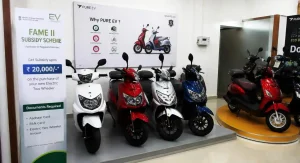






Switching to electric vehicles can save you thousands of dollars through government incentives. In 2026, over 80 countries offer financial support for EV buyers, with subsidies ranging from $500 to $15,000 per vehicle. Understanding which incentives apply to your region helps you maximize savings and reduce your total ownership cost.
This comprehensive guide covers EV subsidies, tax exemptions, import duty waivers, registration benefits, and green financing schemes across major markets in Asia, Europe, Africa, and the Americas.
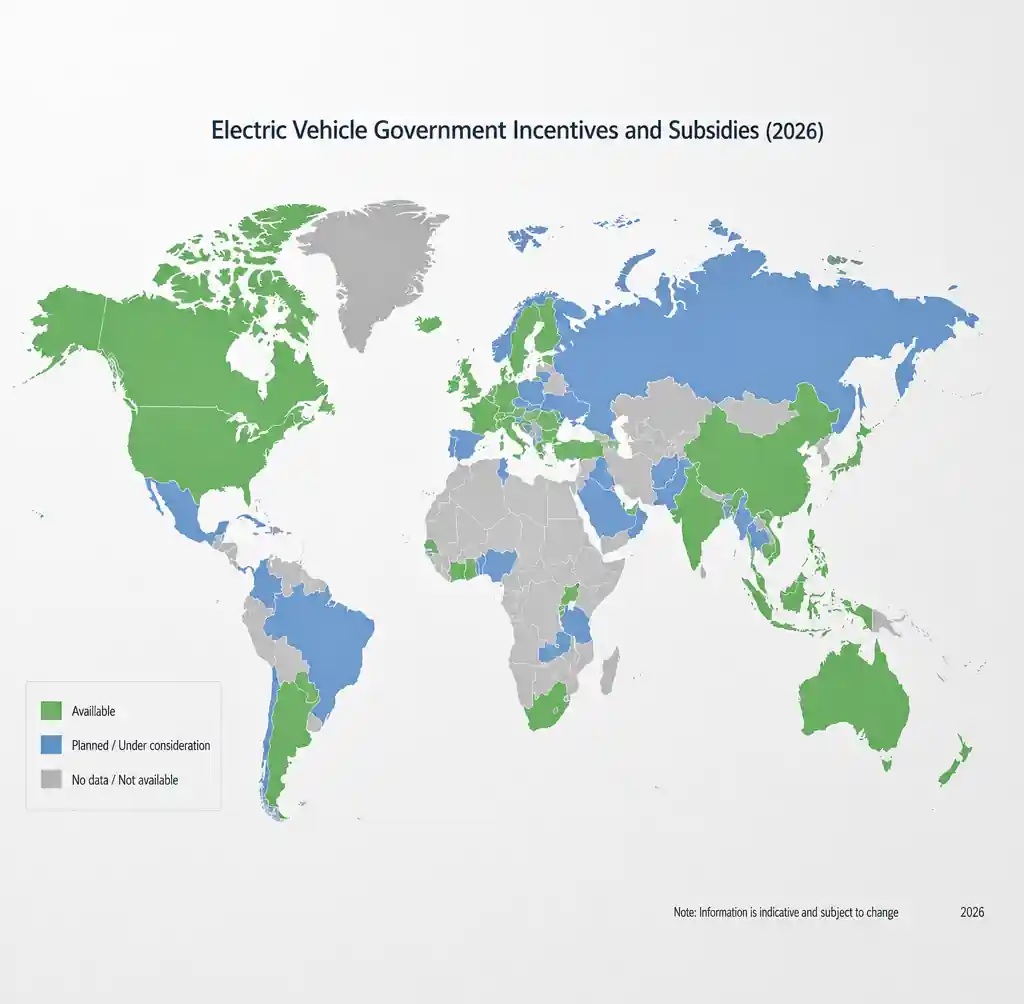
What Are EV Government Incentives?
Government incentives are financial programs designed to reduce the upfront and operational costs of electric vehicles. These programs aim to accelerate EV adoption by making zero-emission transportation more affordable compared to traditional petrol vehicles.
Most incentive programs include direct subsidies (cash rebates), tax exemptions, import duty waivers, and registration fee reductions. You can combine multiple incentives depending on your country’s regulations, potentially reducing your EV purchase price by 20-40%.
Types of EV Incentives Available in 2026
Direct Purchase Subsidies
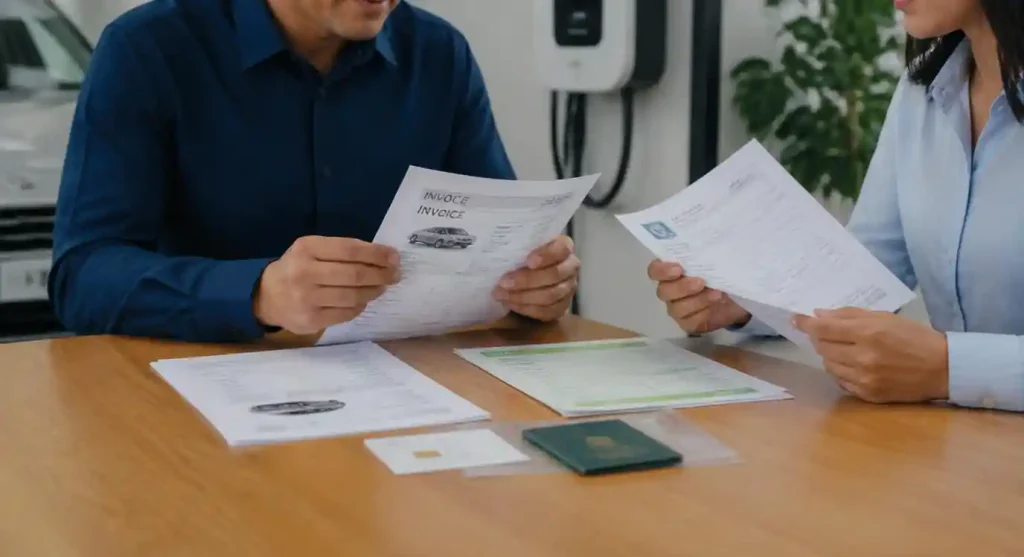
Direct subsidies provide immediate cash rebates when you buy an electric motorcycle, scooter, or bicycle. Government agencies transfer funds directly to buyers or dealers, reducing your out-of-pocket payment at purchase.
Key features:
- Rebate amounts: $500 to $15,000 depending on vehicle type
- Application process: Submit purchase documents and vehicle registration
- Payment timing: 30-90 days after approval
- Eligibility: First-time buyers or fleet operators
| Region | Subsidy Range | Vehicle Types Covered |
|---|---|---|
| Europe | €1,000 – €9,000 | E-bikes, e-scooters, e-motorcycles |
| Asia | $300 – $8,000 | All electric two-wheelers |
| North America | $750 – $7,500 | E-bikes, e-motorcycles (varies by state) |
| Africa | $200 – $2,500 | E-motorcycles, e-scooters for commercial use |
Tax Exemptions and Reductions
Tax incentives reduce your annual ownership costs through exemptions on VAT, sales tax, or road tax. You save money every year, not just at purchase.
Many countries offer 50-100% tax exemptions for electric vehicles. For example, if you buy an electric motorcycle priced at $2,000 with 20% VAT, you save $400 immediately through VAT exemption.
Common tax benefits:
- VAT/Sales tax exemption (10-25% savings)
- Zero road tax for 3-10 years
- Reduced annual registration fees
- Lower insurance premiums (10-20% discount)
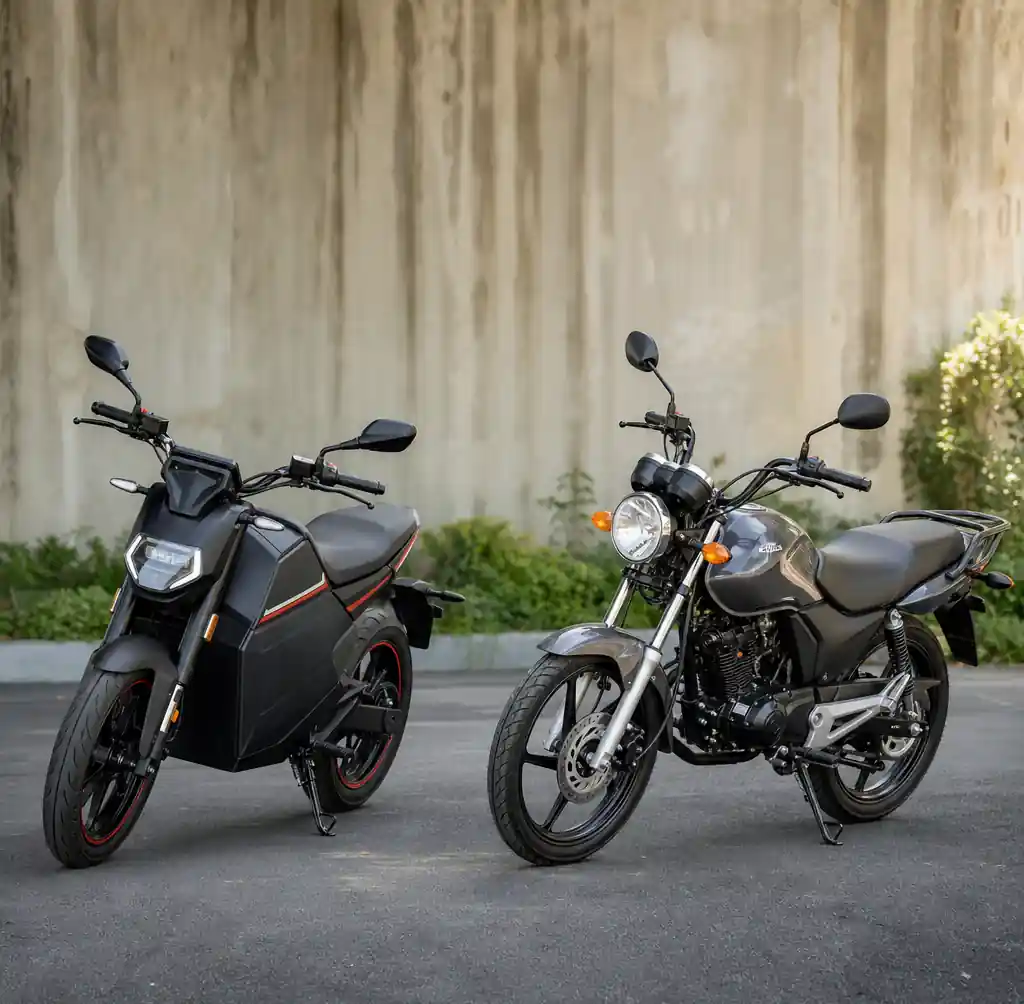
Import Duty Waivers
Import duty waivers eliminate customs fees on imported electric vehicles and components. This incentive matters most in markets where EVs are not manufactured locally.
Countries with import duty waivers allow dealers and buyers to import electric scooters, e-bikes, and motorcycles at 15-30% lower costs. You benefit from international product variety without paying excessive import taxes.
Green Financing Schemes
Green financing programs offer low-interest loans for EV purchases. Banks and government agencies provide loans at 2-6% interest rates, compared to 8-15% for conventional vehicle loans.
Financing benefits:
- Interest rates: 2-6% annually
- Loan terms: 12-60 months
- Down payment: 10-30% (lower than petrol vehicles)
- Approval rate: Higher for EVs with government backing
Country-by-Country EV Incentive Guide
Asia-Pacific Region
China
China leads global EV adoption with comprehensive subsidy programs for electric two-wheelers.
Incentives available:
- Direct subsidy: ¥3,000-¥8,000 ($420-$1,120) for e-motorcycles
- Tax exemption: 100% purchase tax waiver
- Registration: Free license plate in major cities (saves ¥50,000+ in Beijing/Shanghai)
- Charging: Government-funded charging infrastructure
Eligibility: Chinese citizens and businesses, vehicle must meet national safety standards
Application: Submit purchase invoice and vehicle certificate to local vehicle administration office
India
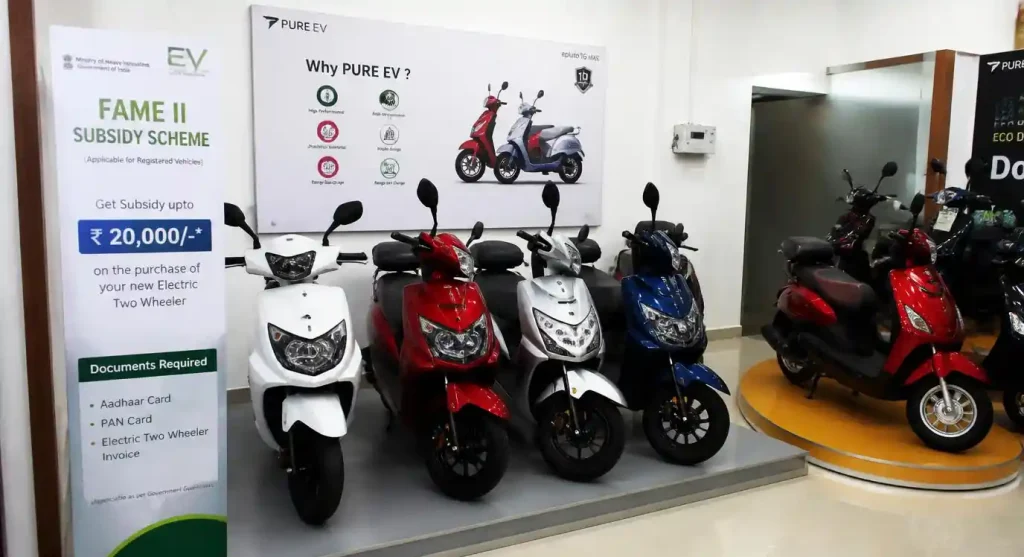
India’s FAME II scheme provides substantial incentives for electric two-wheelers to reduce urban pollution.
Incentives available:
- Direct subsidy: ₹15,000 per kWh (up to ₹45,000 or $540)
- Tax exemption: No GST on e-bikes under 250W
- State subsidies: Additional ₹5,000-₹30,000 in Delhi, Gujarat, Maharashtra
- Financing: 5% interest loans through nationalized banks
Eligibility: All Indian residents, vehicle registered in India
Application: Dealer applies directly; subsidy deducted at point of sale
Southeast Asia (Thailand, Vietnam, Indonesia)
Thailand:
- Subsidy: 18,000-30,000 THB ($510-$850) for e-motorcycles
- Tax exemption: Zero excise tax and VAT exemption
- Application: Through authorized dealers with Board of Investment approval
Vietnam:
- Subsidy: 20-40% of vehicle price (max 15 million VND or $620)
- Registration: Free license plate and annual fees
- Application: Direct submission to Ministry of Transport
Indonesia:
- Subsidy: IDR 7-10 million ($450-$650) for electric motorcycles
- Tax exemption: 0% luxury tax vs 10% for petrol bikes
- Application: Through dealer at purchase
Europe
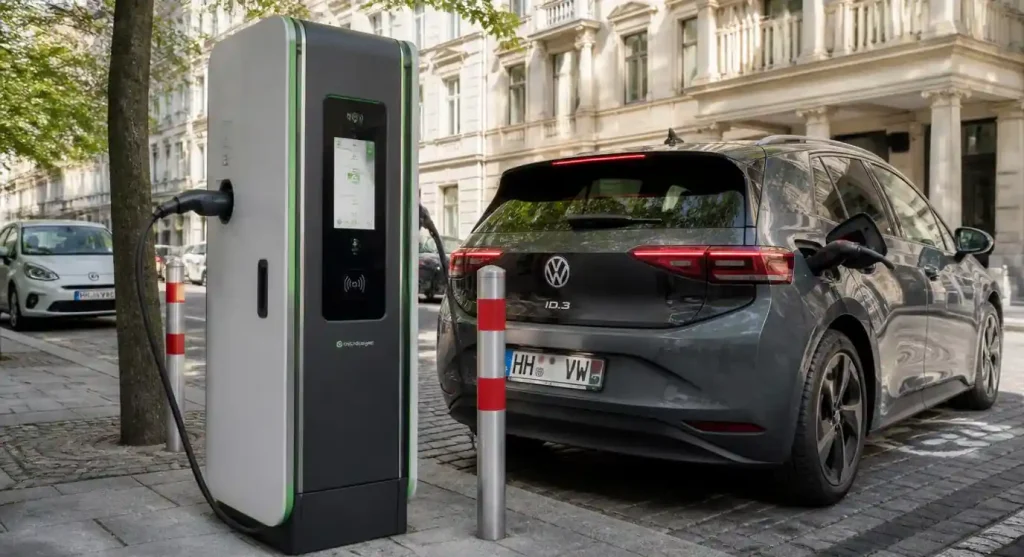
Germany
Germany offers strong incentives to meet 2030 climate targets.
Incentives available:
- Direct subsidy: €1,500-€4,500 for e-bikes and e-motorcycles
- Tax exemption: 10-year vehicle tax waiver
- Company vehicles: Reduced taxation on benefit-in-kind
- Charging: €900 subsidy for home charging installation
Eligibility: EU residents purchasing new EVs
Application: BAFA (Federal Office for Economic Affairs) online portal
France
Incentives available:
- Bonus écologique: €900-€6,000 for electric two-wheelers
- Conversion bonus: Additional €1,100 for scrapping old petrol vehicle
- Tax exemption: Zero company vehicle tax
- Local subsidies: Paris offers additional €400 for e-bikes
United Kingdom
Incentives available:
- Grant: £150-£500 for e-bikes and e-motorcycles (ending March 2026)
- Tax exemption: Zero road tax and congestion charge exemption
- Company purchase: 100% first-year capital allowance
- Charging: Workplace charging scheme grants
North America
United States
Federal and state programs vary significantly by location.
Federal incentives:
- Tax credit: Up to $7,500 for qualifying electric motorcycles
- E-bike credit: Up to $1,500 (proposed, pending approval)
- Eligibility: Income limits apply ($150,000 single, $300,000 joint)
State incentives (examples):
- California: $750-$5,000 rebate through CVRP
- New York: $500-$2,000 rebate for e-bikes
- Colorado: $500-$1,500 tax credit
Application: Federal – file IRS Form 8936; State – varies by program
Canada
Incentives available:
- Federal rebate: CAD $500-$1,500 for e-bikes in some provinces
- Provincial programs: Quebec offers CAD $500-$4,000 for electric motorcycles
- Tax exemption: Reduced PST/GST in British Columbia
- Application: Through provincial ministries of environment
Africa
Kenya
Incentives available:
- Duty exemption: 0% import duty vs 25% for petrol motorcycles
- VAT exemption: 16% savings on EV purchases
- Target: Commercial delivery fleets and motorcycle taxis
- Application: Kenya Revenue Authority import documentation
South Africa
Incentives available:
- Tax incentive: R10,000-R30,000 ($550-$1,650) rebate
- Import duty: Reduced from 25% to 7% for EVs
- Registration: 50% discount on license fees
- Application: Through SARS (tax authority) and vehicle licensing offices
Rwanda
Incentives available:
- Import duty: 0% for electric vehicles vs 25% for petrol
- Tax exemption: Full VAT waiver
- Focus: Supporting e-motorcycle taxi fleets
- Application: Rwanda Revenue Authority certification
Middle East
United Arab Emirates
Incentives available:
- Registration: Free registration and plates in Dubai (saves AED 800+)
- Parking: Free public parking
- Salik toll: 100% exemption on road tolls
- Charging: Free charging at many public stations
Eligibility: UAE residents with valid Emirates ID
| Country | Direct Subsidy | Tax Benefits | Special Programs |
|---|---|---|---|
| China | $420-$1,120 | 100% purchase tax waiver | Free license plates (major cities) |
| India | Up to $540 | GST exemption | State-level top-ups |
| Germany | €1,500-€4,500 | 10-year tax waiver | Home charging grants |
| USA | $750-$7,500 | State tax credits | Income-based eligibility |
| Kenya | None | 0% import duty, 16% VAT exemption | Commercial fleet focus |
How to Apply for EV Incentives
Step 1: Verify Eligibility
Check whether you meet program requirements before purchasing. Most programs require:
- Residency or citizenship proof
- Vehicle meets national safety and emissions standards
- Purchase from authorized dealers
- First-time EV buyer (some programs)
- Income limits (for means-tested programs)
Step 2: Choose Your Vehicle
Select an electric motorcycle, scooter, or bicycle that qualifies for subsidies. Vehicle must be:
- Listed on government-approved model lists
- New (not used or refurbished)
- Meets minimum range or battery capacity requirements
- Certified with safety standards (CE, UL, EEC)
Contact LC Motor for certified models eligible in your region.
Step 3: Purchase from Authorized Dealer
Buy from dealers registered with subsidy programs. Authorized dealers can:
- Confirm vehicle eligibility instantly
- Apply subsidies at point of sale (in some countries)
- Provide required documentation
- Submit applications on your behalf
Step 4: Submit Application
Application methods vary by country:
Online submission: Upload purchase invoice, vehicle registration, identity documents through government portal
Dealer submission: Dealer applies directly and deducts subsidy from purchase price
Post-purchase claim: Submit physical documents to government office within 30-90 days
Step 5: Receive Funds
Payment timelines:
- Instant discount: Subsidy deducted at purchase (India, some European countries)
- 30-60 days: Direct bank transfer after approval (China, Southeast Asia)
- Tax year: Claimed as tax credit on annual return (USA, Canada)
Maximizing Your EV Incentive Benefits
Combine Multiple Incentives
You can stack federal, state/provincial, and local incentives in many regions. For example:
- Federal subsidy: $2,000
- State rebate: $1,000
- Local utility rebate: $500
- Total savings: $3,500
Check whether your region allows combining incentives. Most countries permit stacking government subsidies with utility company programs.
Choose Fleet Purchase Programs
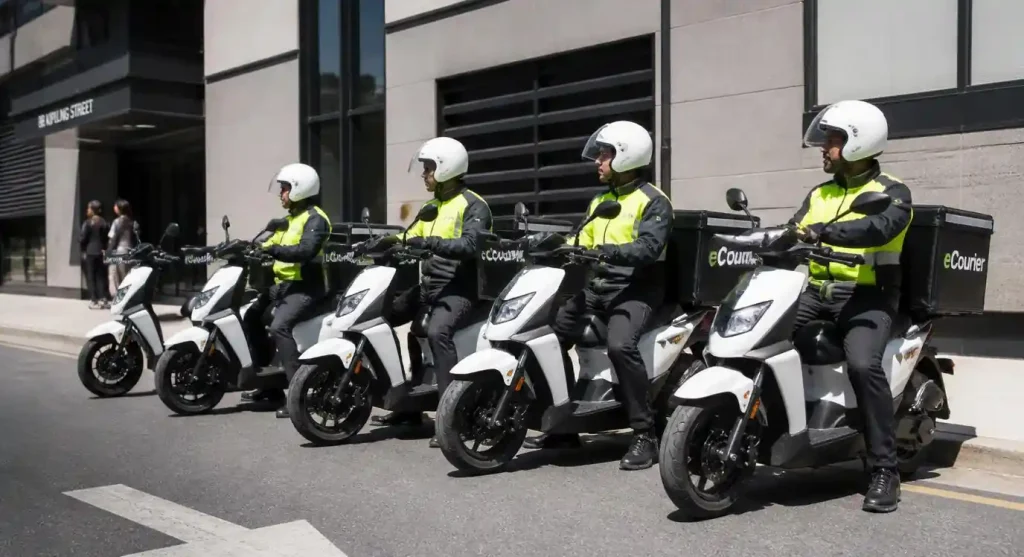
Commercial buyers often receive higher incentives. If you need multiple electric scooters for delivery or taxi operations, fleet programs offer:
- Higher per-unit subsidies (20-50% more)
- Priority processing
- Bulk purchase financing
- Extended warranty coverage
Monitor Expiration Dates
Many subsidy programs have limited budgets and expire when funds run out. Apply early in the fiscal year for best approval chances. Programs in high-demand markets like Germany and California can exhaust funding within months.
Common Eligibility Requirements
Residency: Must be citizen or permanent resident of country offering subsidy
Vehicle standards: Must meet national safety certifications (CE mark in Europe, CCC in China, DOT in USA)
Purchase proof: Original invoice showing vehicle specifications and price
Registration: Vehicle must be registered for personal or commercial use, not resale
Income limits: Some programs restrict high earners (USA federal credit has $150,000 single/$300,000 joint income cap)
Regional Updates for 2026
Europe
- EU expanding subsidies to 27 member states with harmonized application process
- Minimum subsidy: €1,000 for e-bikes, €2,000 for e-motorcycles
- Focus: Phasing out petrol two-wheelers by 2035
Asia
- China extending subsidies through 2027 after planned 2025 expiration
- India increasing FAME III budget by 40% to support 10 million EVs
- ASEAN countries coordinating regional incentive programs
Africa
- Kenya, Rwanda, and Ghana forming East African EV incentive alliance
- Focus on commercial vehicles and motorcycle taxis
- Targeting 2 million electric two-wheelers by 2030
North America
- USA extending federal tax credits with income limits
- Canada provinces expanding e-bike rebates
- Mexico launching first national EV subsidy program in 2026
FAQ
Q: Can I get incentives for used electric vehicles?
A: Most programs only cover new EVs. Some countries like Norway and UK offer reduced incentives for used imports, but restrictions apply.
Q: Do incentives apply to imported vehicles?
A: Yes, if the vehicle meets national certification standards. Import duty waivers make importing cost-effective in countries without local EV manufacturing.
Q: How long does subsidy approval take?
A: 30-90 days for most countries. Some programs like India’s FAME II offer instant dealer discounts with no waiting period.
Q: Can businesses claim EV incentives?
A: Yes, most programs cover commercial purchases. Fleet buyers often receive higher subsidies and tax deductions.
Q: Are subsidies taxable income?
A: Generally no. Most countries treat EV subsidies as purchase price reductions, not taxable income. Check your local tax authority for confirmation.
Q: What happens if I sell my EV within a year?
A: Many programs require 1-3 years of ownership. Selling early may require subsidy repayment. Check program terms before purchase.
Заключение
Government incentives make electric vehicles significantly more affordable in 2026, with subsidies reaching $15,000 in some markets. Understanding available programs helps you reduce upfront costs and maximize long-term savings. Most countries offer combinations of direct subsidies, tax exemptions, and import duty waivers that you can stack for maximum benefit.
If you need electric motorcycles, scooters, or bicycles eligible for government incentives, LC Motor offers a complete product range certified for global markets. Our electric motorcycles, scooters, and e-bikes meet international safety standards and qualify for subsidies in over 60 countries. We support both individual buyers and commercial fleet operators with competitive pricing and bulk purchase options.
Свяжитесь с нами сегодня for product specifications, certification documents, and subsidy eligibility confirmation for your region.