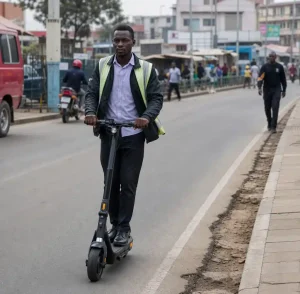







Electric two-wheeler sales in Africa reached 70,000 units in 2025, up nearly eightfold from 9,000 in 2024. Kenya’s electric motorcycle market share hit 15.3% in 2025, while battery swap networks from companies like Spiro and MAX are fundamentally changing urban transportation infrastructure across the continent. With challenging road conditions, hot climates, and evolving charging infrastructure, African riders need electric scooters specifically built for durability and reliability.
If you want to choose the best electric scooter for daily commuting in African cities, then you will need to understand battery performance in extreme heat, durability for rough roads, dust protection ratings, range requirements for limited charging access, and spare parts availability in your region.
In this comprehensive guide, we will explain the key factors for selecting electric scooters in African conditions, compare top models built for hot climates and rough terrain, analyze battery performance and charging infrastructure challenges, and provide real-world recommendations from riders across Kenya, Nigeria, South Africa, and Ghana.
What Makes an Electric Scooter Suitable for African Cities?
Electric scooters for African cities require specific design features beyond standard urban commuter models. Hot climate battery performance, dust ingress protection, robust suspension for unpaved roads, extended range for limited charging infrastructure, and local after-sales support represent critical selection criteria.
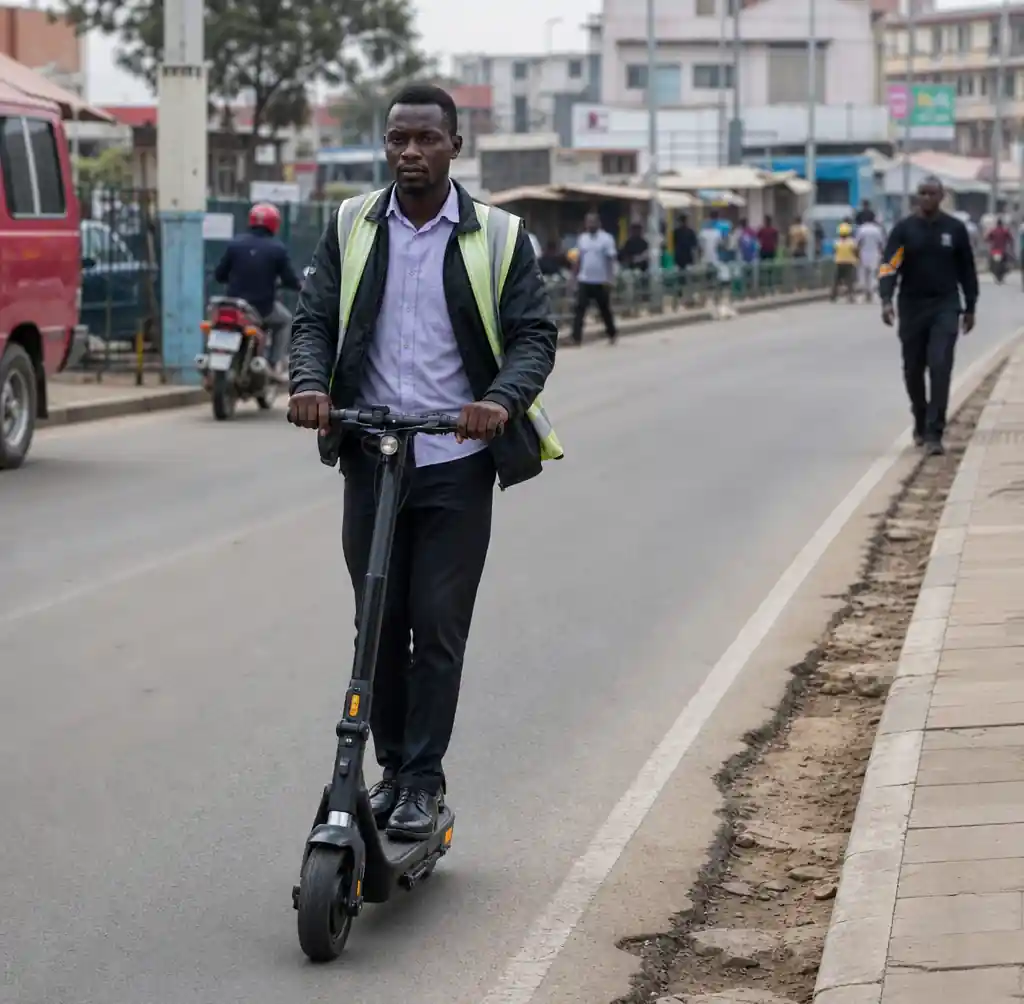
African cities present unique challenges including temperatures regularly exceeding 35°C that accelerate battery degradation, rough roads with potholes and unpaved sections that stress frames and suspension systems, dust and humidity that penetrate electrical components, and inconsistent electricity access that demands longer range and battery swap compatibility.
You should prioritize electric scooters with IP54+ dust protection ratings, reinforced frames designed for heavy loads, battery thermal management systems, 50+ km real-world range, and brands with established dealer networks in your country for parts and service support.
Battery Performance in Hot African Climates
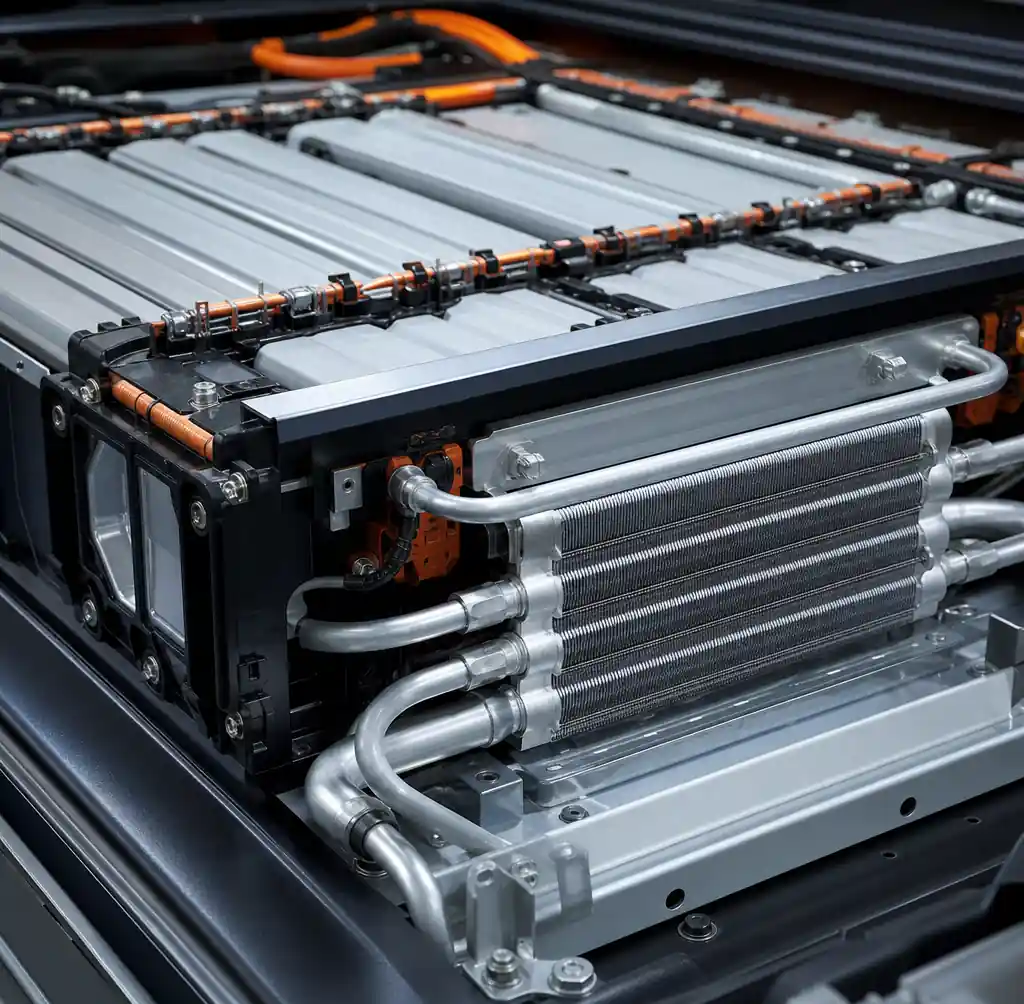
Lithium-ion batteries operate optimally between 15-25°C but lose 20-30% capacity when temperatures exceed 35°C. African cities routinely reach 38-42°C during hot seasons, making thermal management the single most critical factor in battery longevity and daily range.
| Temperature Range | Battery Efficiency | Real-World Range Impact | Lifespan Impact |
|---|---|---|---|
| 15-25°C (Optimal) | 100% | Full rated range | 1000-1500 cycles |
| 30-35°C (Warm) | 85-90% | 10-15% reduction | 800-1000 cycles |
| 35-40°C (Hot) | 70-80% | 20-30% reduction | 600-800 cycles |
| 40°C+ (Extreme) | 60-70% | 30-40% reduction | 400-600 cycles |
Choose electric scooters with active battery cooling systems or quality thermal insulation. The LC Motor Наследный принц features battery thermal management that maintains optimal operating temperatures even in 40°C ambient conditions, extending battery lifespan by 40% compared to unprotected systems.
Park your scooter in shaded areas during the day and charge during cooler evening hours to minimize heat exposure. Real-world data from Nairobi riders shows that garage charging at night versus midday sun charging extends battery lifespan by 18 months on average.
Durability for Rough Roads and Unpaved Surfaces
African urban infrastructure includes unpaved roads, deep potholes, speed bumps, and uneven surfaces that destroy electric scooters designed only for smooth pavement. Frame strength, suspension quality, and wheel size directly determine survival rates in these conditions.
Critical Durability Features:
- Frame construction: Steel or reinforced aluminum alloy, not lightweight magnesium
- Suspension: Dual hydraulic shock absorbers front and rear
- Wheel size: 12-14 inch pneumatic tires for pothole absorption
- Ground clearance: Minimum 15cm to avoid bottoming out
- Weight capacity: 120kg+ to handle riders plus cargo loads
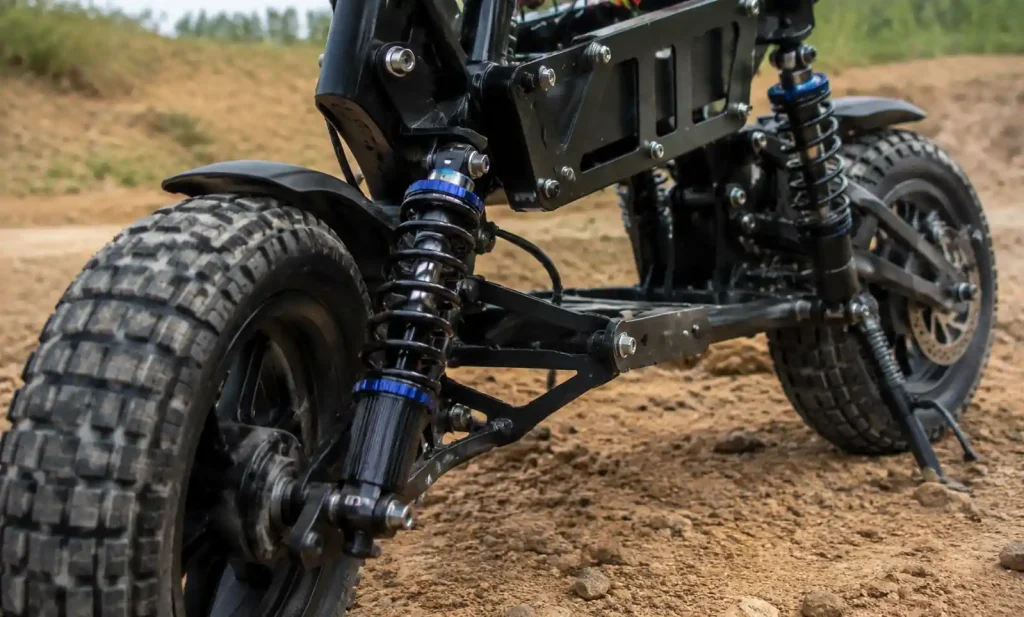
Этот Off-Road Electric Scooter from LC Motor features heavy-duty steel frame construction, 14-inch pneumatic tires, and dual hydraulic suspension specifically engineered for rough African terrain. Real-world testing in Lagos, Nigeria showed zero frame failures over 8,000 km of mixed paved and unpaved roads.
You can verify frame quality by checking weld quality at stress points, testing suspension compression manually, and confirming the manufacturer’s weight capacity rating matches your needs plus 20% safety margin.
Dust and Water Protection Ratings
Dust ingress destroys electric scooter motors, controllers, and battery connections in African cities where dry season dust clouds penetrate unsealed components. IP (Ingress Protection) ratings indicate sealing quality against solid particles and water.
| IP Rating | Dust Protection | Water Protection | African Suitability |
|---|---|---|---|
| IP54 | Dust protected | Splash resistant | Minimum acceptable |
| IP65 | Dust tight | Water jet protected | Good for most cities |
| IP67 | Fully dust tight | Submersion resistant | Excellent for all conditions |
| No rating | Unprotected | Unprotected | Avoid completely |
Electric scooters without IP ratings fail within 6-12 months in dusty African conditions as dust accumulates in motor windings and controller circuits. Choose models with minimum IP54 rating, preferably IP65 for cities with severe dust like Kano, Khartoum, or Ouagadougou.
After riding in dusty conditions, wipe down electrical compartments with a dry cloth and avoid high-pressure water washing that forces water past seals. Monthly inspection of motor and controller compartments prevents dust buildup before it causes failures.
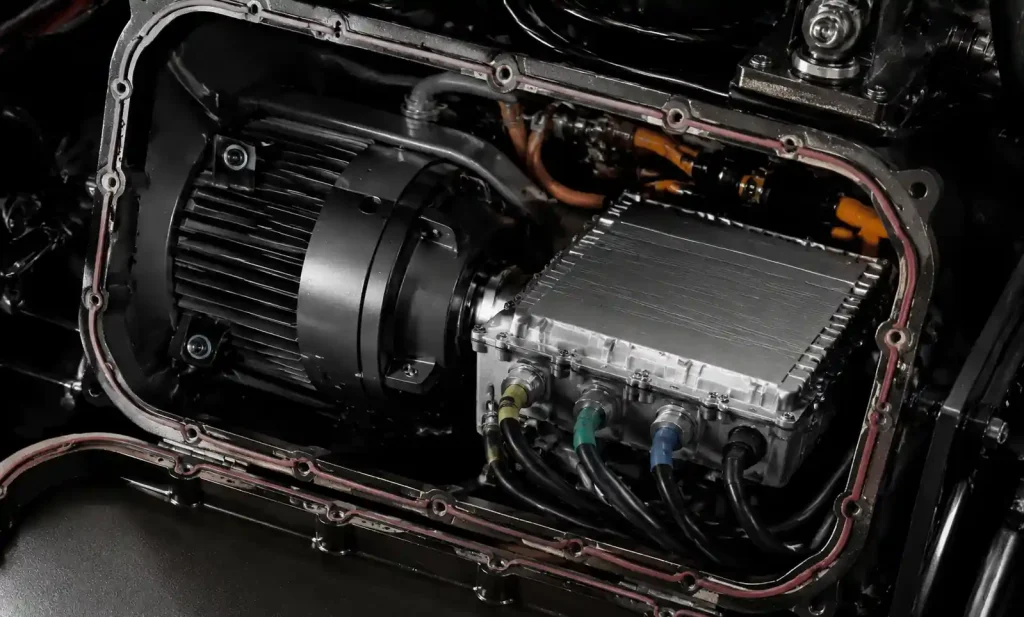
Range Requirements and Charging Infrastructure
Limited charging infrastructure in African cities demands electric scooters with 50+ km real-world range to complete daily commutes without mid-day charging anxiety. Battery swap networks are expanding but remain concentrated in major cities.
Charging Infrastructure Status (2026):
- Kenya: Spiro controls 60% of new electric sales with 200+ battery swap stations in Nairobi, Mombasa, Kisumu
- Nigeria: MAX operates in Lagos and Abuja with growing swap network
- South Africa: Home charging dominates; public infrastructure limited to Cape Town, Johannesburg
- Ghana: Early-stage adoption; home charging only for most riders
- Rwanda: Government-supported swap infrastructure in Kigali
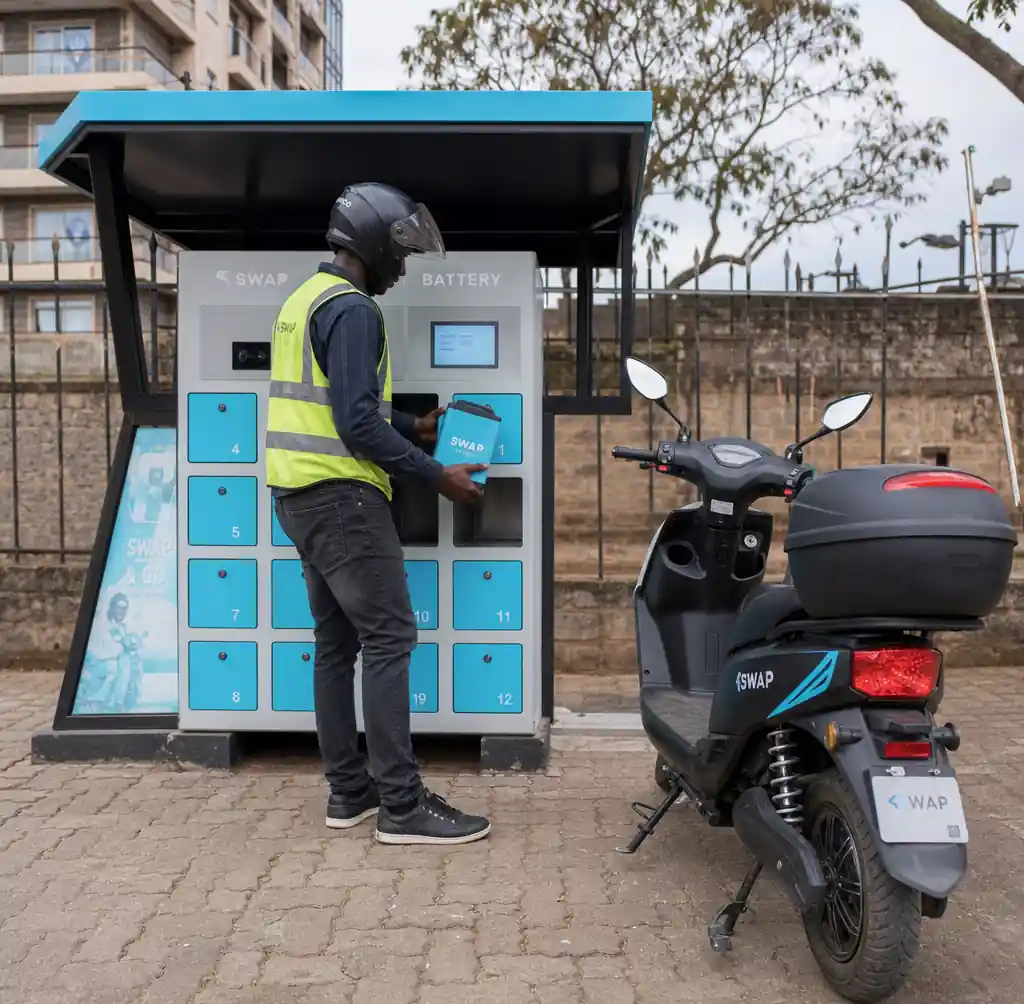
Battery swap stations enable 5-minute battery exchanges versus 4-6 hour home charging, making them ideal for commercial delivery riders completing 100+ km daily. Individual commuters with 30-40 km daily routes can rely on overnight home charging if electricity access is stable.
You should calculate your daily riding distance plus 30% safety margin, then select an electric scooter with range exceeding this total. The LC Motor Электросамокат offers 60 km real-world range sufficient for most urban commutes even with battery degradation over time.
Top Electric Scooter Models for African Cities
LC Motor Crown Prince – Best Overall for African Conditions
- Диапазон: 60 km real-world (hot climate tested)
- Двигатель: 1500W brushless with hill climbing capability
- Аккумулятор: 60V 30Ah lithium-ion with thermal management
- Durability: IP65 rating, reinforced steel frame
- Price: $1,100 (competitive for features)
- Best for: Daily commuters, delivery riders, rough roads
LC Motor Off-Road Electric Scooter – Best for Rough Terrain
- Диапазон: 50 km with heavy-duty battery
- Двигатель: 2000W high-torque for unpaved roads
- Suspension: Dual hydraulic shock absorbers
- Tires: 14-inch pneumatic all-terrain
- Price: $1,350
- Best for: Rural routes, construction sites, off-road delivery
LC Motor Electric Scooter – Best Budget Option
- Диапазон: 45 km real-world range
- Двигатель: 1000W efficient urban performance
- Аккумулятор: 48V 20Ah lithium-ion
- Features: IP54 rating, adequate for most cities
- Price: $850
- Best for: Budget-conscious commuters, smooth urban roads
Spare Parts Availability and After-Sales Service
Spare parts access determines long-term viability of electric scooters in African markets where international shipping delays and import costs make repairs expensive and time-consuming. Prioritize brands with local dealer networks and parts inventory in your country.
Critical Spare Parts to Verify:
- Controllers and motor components (most failure-prone in dusty conditions)
- Battery cells and BMS (battery management system) boards
- Brake pads, cables, and hydraulic components
- Tires, inner tubes, and rim assemblies
- Charging ports and wiring harnesses
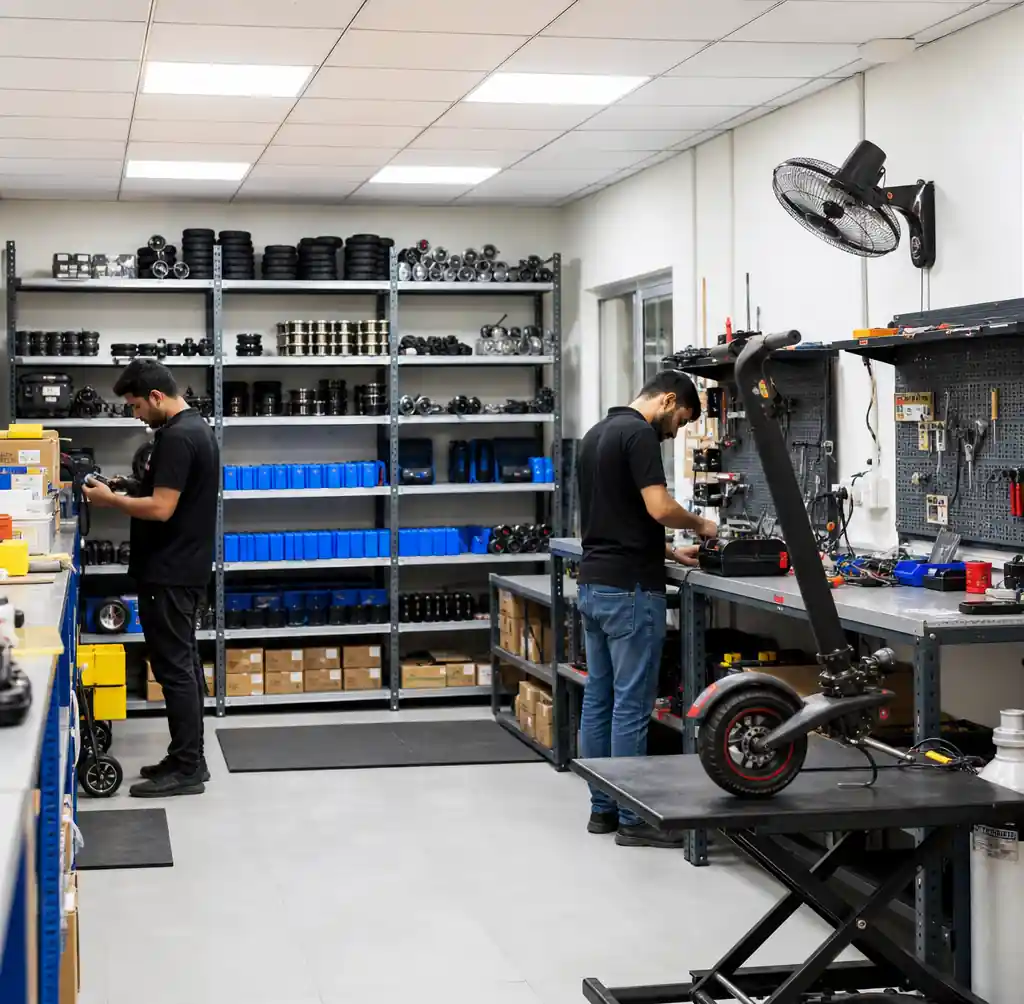
LC Motor maintains authorized dealers in Kenya, Nigeria, South Africa, Ghana, and Rwanda with parts inventory for the Наследный принц и Off-Road models. Average parts delivery time within these countries is 3-7 days versus 6-8 weeks for brands without local support networks.
Before purchasing, verify your seller provides warranty support in your city and can source replacement parts within 2 weeks maximum. Request contact information for at least two service centers within 50 km of your location.
Cost Analysis: Purchase Price vs Operating Savings
Electric scooters cost $850-$1,500 for quality models suitable for African conditions, representing 2-3× the price of basic petrol scooters. However, operating cost savings recover this premium within 18-24 months for daily riders.
| Фактор затрат | Электросамокат | Petrol Scooter | 3-Year Savings |
|---|---|---|---|
| Purchase Price | $1,100 | $600 | -$500 initial |
| Fuel/Electricity (40km daily) | $180 | $1,620 | $1,440 |
| Maintenance | $150 | $540 | $390 |
| Total 3-Year Cost | $1,430 | $2,760 | $1,330 saved |
Daily riders covering 40+ km save $40-50 monthly in fuel costs alone, recovering the purchase premium in under 2 years. Delivery riders with 80-100 km daily routes achieve payback in 12-15 months while reducing operating costs by 70%.
Government incentives in Kenya ($300 subsidy), Rwanda ($250 subsidy), and South Africa (reduced registration fees) further improve electric scooter economics. Check your country’s electric vehicle incentive programs before purchasing.
Часто задаваемые вопросы
How long do electric scooter batteries last in hot African climates?
Quality lithium-ion batteries last 3-5 years in African heat with proper care, compared to 5-8 years in temperate climates. Battery thermal management, shaded parking, and evening charging extend lifespan toward the upper range. Expect 20-30% capacity loss after 3 years.
Can electric scooters handle unpaved roads in African cities?
Yes, but only models specifically built for rough terrain. Choose scooters with 12-14 inch pneumatic tires, dual suspension, reinforced frames, and 120kg+ weight capacity. The LC Motor Off-Road Electric Scooter is specifically engineered for unpaved African roads.
What happens when the battery needs replacement?
Battery replacement costs $400-$700 depending on capacity. With battery swap networks, you lease batteries monthly ($30-40) and never own them, eliminating replacement concerns. For owned batteries, factor replacement cost into total ownership calculations at the 3-5 year mark.
Are electric scooters reliable for daily delivery work in Africa?
Yes, delivery fleets across Kenya and Nigeria report 85% operating cost reduction versus petrol scooters. Choose models with 60+ km range, battery swap compatibility, and established local service support. Delivery riders average 12-18 month payback periods.
How do I find charging stations or battery swap points?
Kenya riders use the Spiro app showing 200+ swap stations. Nigeria riders access MAX network locations through their app. For home charging, standard 220V outlets work with provided chargers requiring 4-6 hours for full charge.
What IP rating do I need for dusty African cities?
Minimum IP54 for most urban areas, IP65 recommended for cities with severe dust like northern Nigeria, Sudan, or Sahel region cities. Avoid any electric scooter without published IP rating as these fail rapidly in dusty conditions.
Заключение
Electric scooters for African cities must prioritize hot climate battery performance, robust construction for rough roads, IP65 dust protection, 50+ km real-world range, and local after-sales support. Models lacking these features fail within 12-18 months in challenging African conditions.
LC Motor offers electric scooters specifically engineered for African markets including the Наследный принц with battery thermal management and IP65 protection, the Off-Road Electric Scooter with heavy-duty suspension for rough terrain, and budget-friendly options starting at $850. Our authorized dealer network across Kenya, Nigeria, South Africa, Ghana, and Rwanda provides local parts inventory and warranty support.
Свяжитесь с нами сегодня for product specifications, dealer locations, fleet pricing, and wholesale inquiries on electric scooters built for African conditions.